ADDRESSING OUR HOUSING CRISIS, TOGETHER.
Nearly half of renters in Davidson County spend more than 30% of their income on housing, and The Unified Housing Leadership Council — a cross-sector effort supported by CFMT, the Nashville Area Chamber of Commerce, and the Mayor’s Office — brings the region’s leaders to one table to guide the Unified Housing Strategy.
Explore more in CFMT’s 2025 Annual Report
“People need access to housing they can afford in order to live near jobs, schools, transportation, and amenities. Housing affordability has become one of the biggest issues impacting workforce availability and our region’s economic competitiveness.”
STEPHANIE COLEMAN — PRESIDENT & CEO, NASHVILLE AREA CHAMBER OF COMMERCE
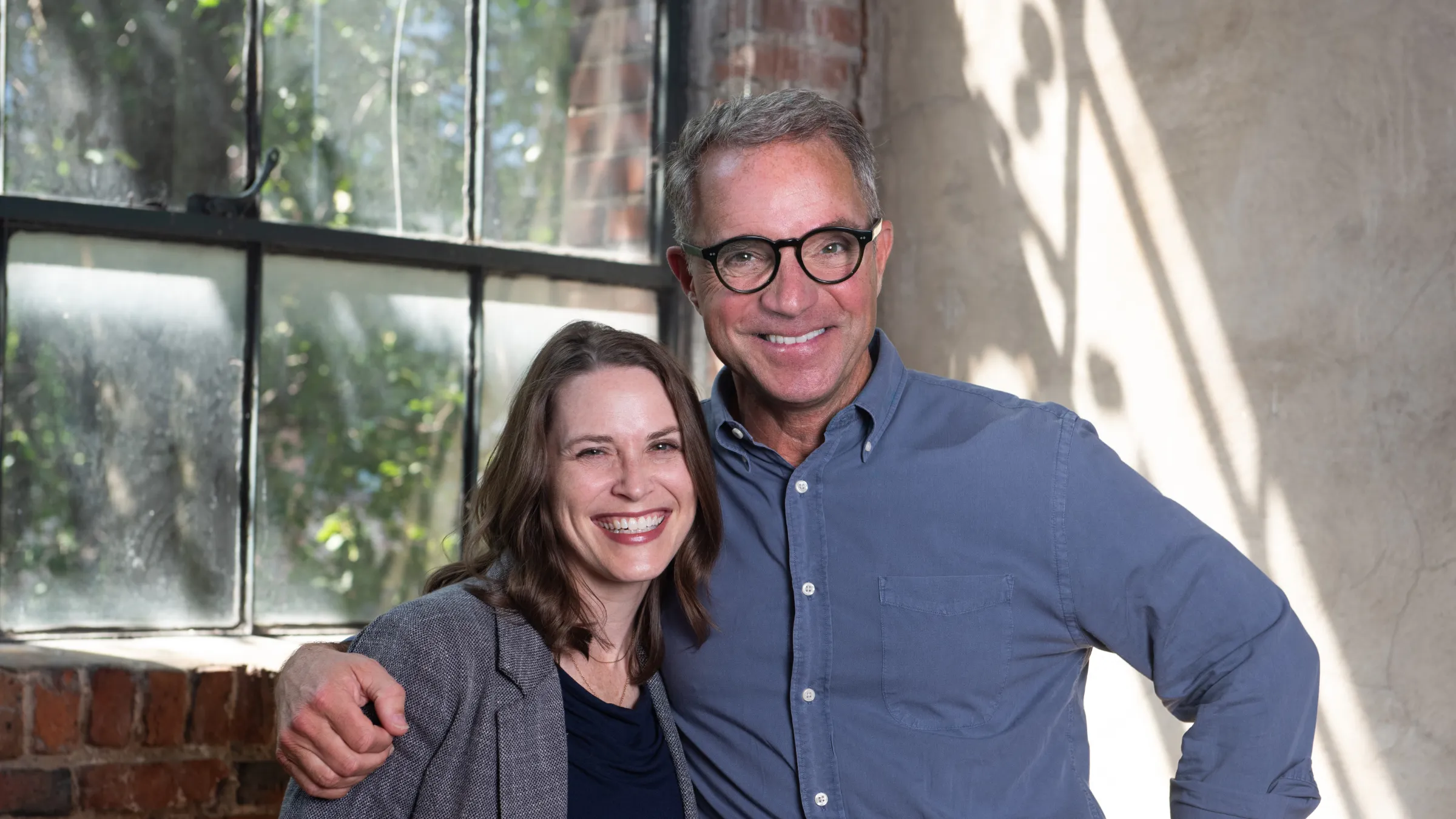
Hal Cato, CEO of Community Foundation of Middle Tennessee, believes housing is inherently tied to the region’s prosperity. It is part of the foundation of our region.
“When a nurse or a teacher or a cook can’t afford to live in the city where they need to work, the city starts to slowly hollow itself out,” said Cato.
That understanding is part of what led to the Unified Housing Leadership Council, a cross-sector effort supported by CFMT, Nashville Area Chamber of Commerce, and the Mayor’s Office. The council brings together leaders from across the region to guide implementation of the Unified Housing Strategy and supports long-term progress on one of Nashville’s most urgent shared challenges.
Nearly half of renters in Davidson County are cost-burdened, meaning they spend more than 30% of their income on housing. For households earning less than $50,000, the pressure is greater. When that much of a paycheck goes toward rent, families have less room to save, and it becomes harder to weather a crisis or build long-term stability.
“When people identify the problem of housing they may initially believe it’s just a social services issue,” said Cato.
“In reality, housing is the infrastructure that makes everything else work.”
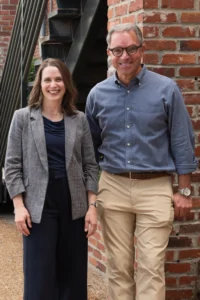
Stephanie Coleman is CEO of the Nashville Area Chamber of Commerce and sees the same challenge through the lens of workforce and economic growth.
Across Nashville, leaders are all working on housing. But those efforts have not always been connected by shared priorities, shared data, or even a shared system for action.
“We don’t have a problem finding people who care,” said Cato. “We have a coordination problem.”
That lack of coordination can show up in the spaces between, where people in charge of shaping policy, funding, development, and community priorities are often working toward the same goal but not working from the same table.
“One of the biggest disconnects is that these conversations often happen separately rather than together,” said Coleman. “Policy funding, development, and community priorities all influence one another, but too often they operate in silos.”
At CFMT the work is about helping the housing ecosystem be more effective by convening partners, supporting shared accountability and helping capital reach places where it can make a difference.
“CFMT will never be able to build housing directly,” said Cato, “But we want to make sure the whole ecosystem is working together effectively.”
Meaningful progress requires measurable movement, shared investment and continued coordination. It also requires a shared commitment to seeing housing not as one organization’s responsibility but as shared community priority.
BUILDING A BETTER
COMMUNITY, TOGETHER.
These stories from our 2025 Annual Report highlight what happens when donors, nonprofit partners, and CFMT sit down at the same table — taking on housing, belonging, and a culture of giving, together.
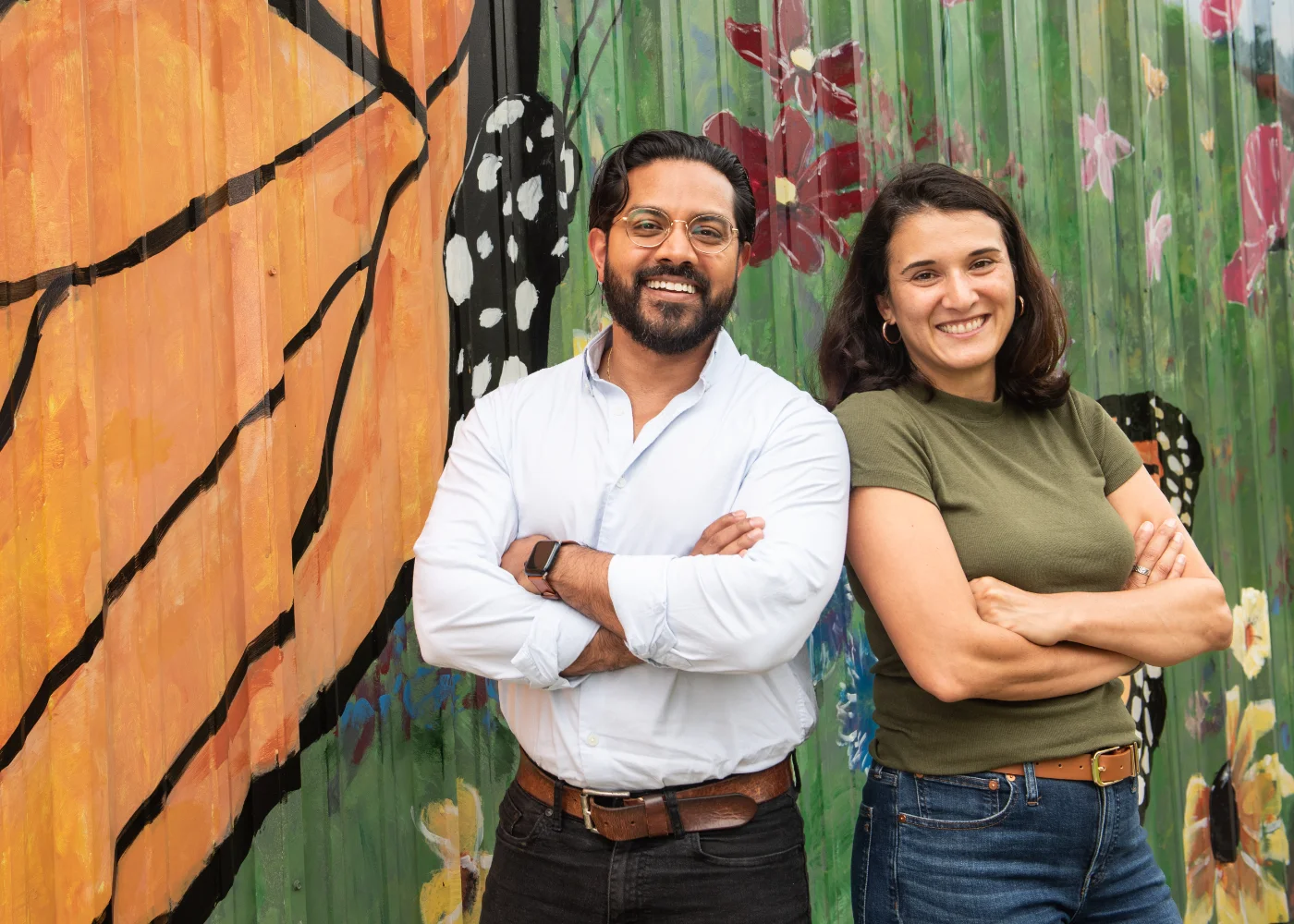
Adnan Karim – Vice President of Community Impact at CFMT, and Lisa Sherman Luna – Executive Director at TIRRC
FOSTERING A SENSE OF BELONGING, TOGETHER.
When CFMT’s Adnan Karim and Hal Cato first sat down with Lisa Sherman Luna of the Tennessee Immigrant & Refugee Rights Coalition, The Belonging Fund hadn’t yet been born. That exploratory conversation grew into a steering committee of immigrant- and refugee-serving organizations from across the region — TIRRC bringing community trust and lived experience, CFMT bringing donor relationships and the ability to mobilize resources quickly. In 2025, eight partners distributed $430,000 in support for legal fees, healthcare, utility assistance, emergency housing, and other basic needs.
“Partnership was the only way to approach the work responsibly and in a way that actually reflects what the community needs.”
ADNAN KARIM — VICE PRESIDENT OF COMMUNITY IMPACT, CFMT
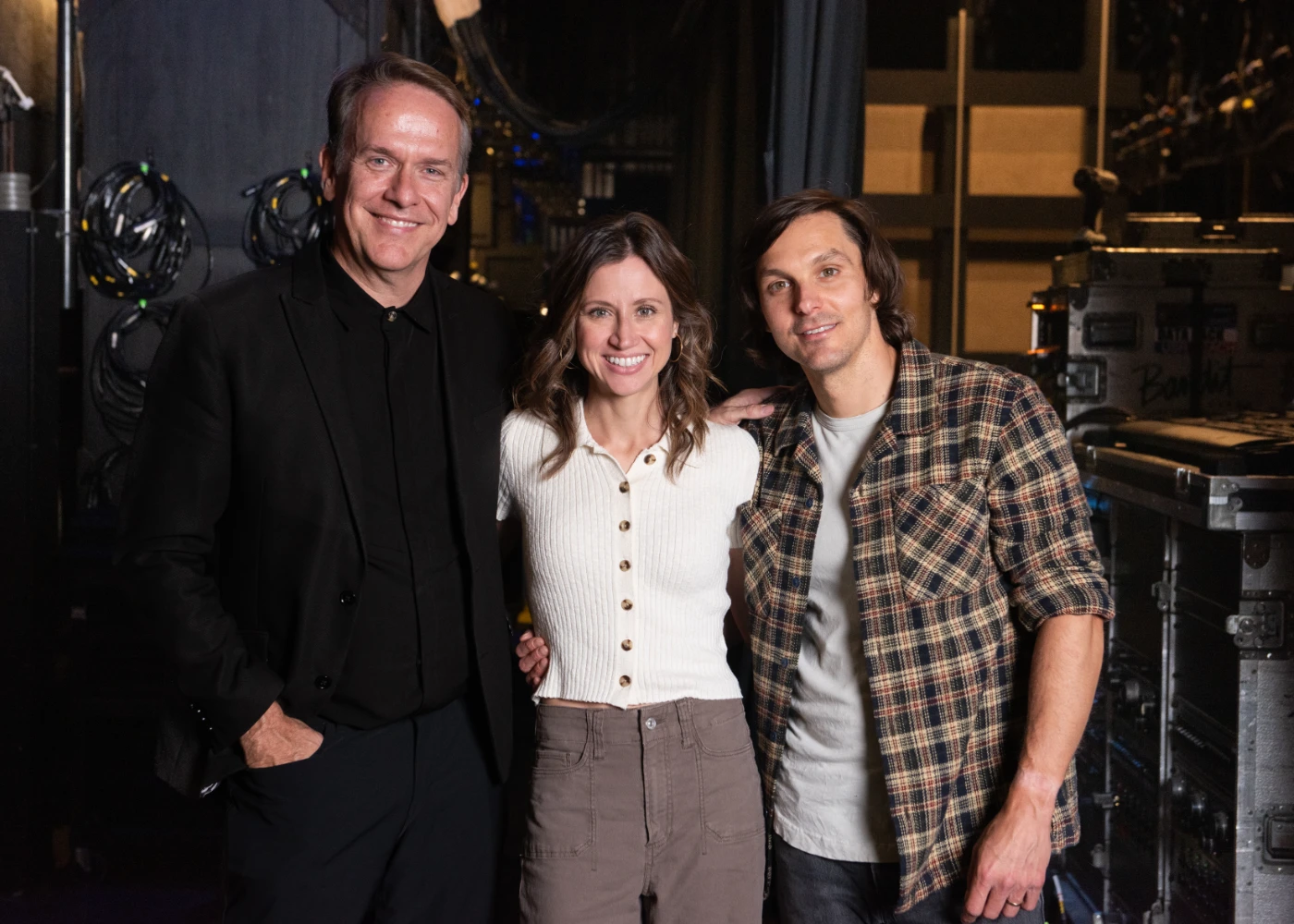
(Left to right) Rondal Richardson – Executive Director of Music Community Foundation; Kristen and Charlie Worsham – The Compadres and Follow Your Heart Scholarship Funds at CFMT.
GROWING A CULTURE OF GIVING, TOGETHER.
When CMA Award–winning musician Charlie Worsham came to CFMT in 2016, he was carrying gratitude for home and a scholarship idea for students from his Mississippi hometown. With Rondal Richardson, the Follow Your Heart Scholarship Fund gave that vision the structure to last — and in 2023, Charlie and his wife Kristen expanded their giving as a family with the Compadres Fund. Ten years in, their story shows what happens when the right people, structure, and trust let generosity keep growing as life changes.
“In those early days, my goal was not to wait for my career to take off before laying the cornerstone for my philanthropy. I was hyper-focused on building something that would pay forward the investment my music teachers had made in me.”
Charlie Worsham — The Compadres Fund & Follow Your Heart Scholarship Fund
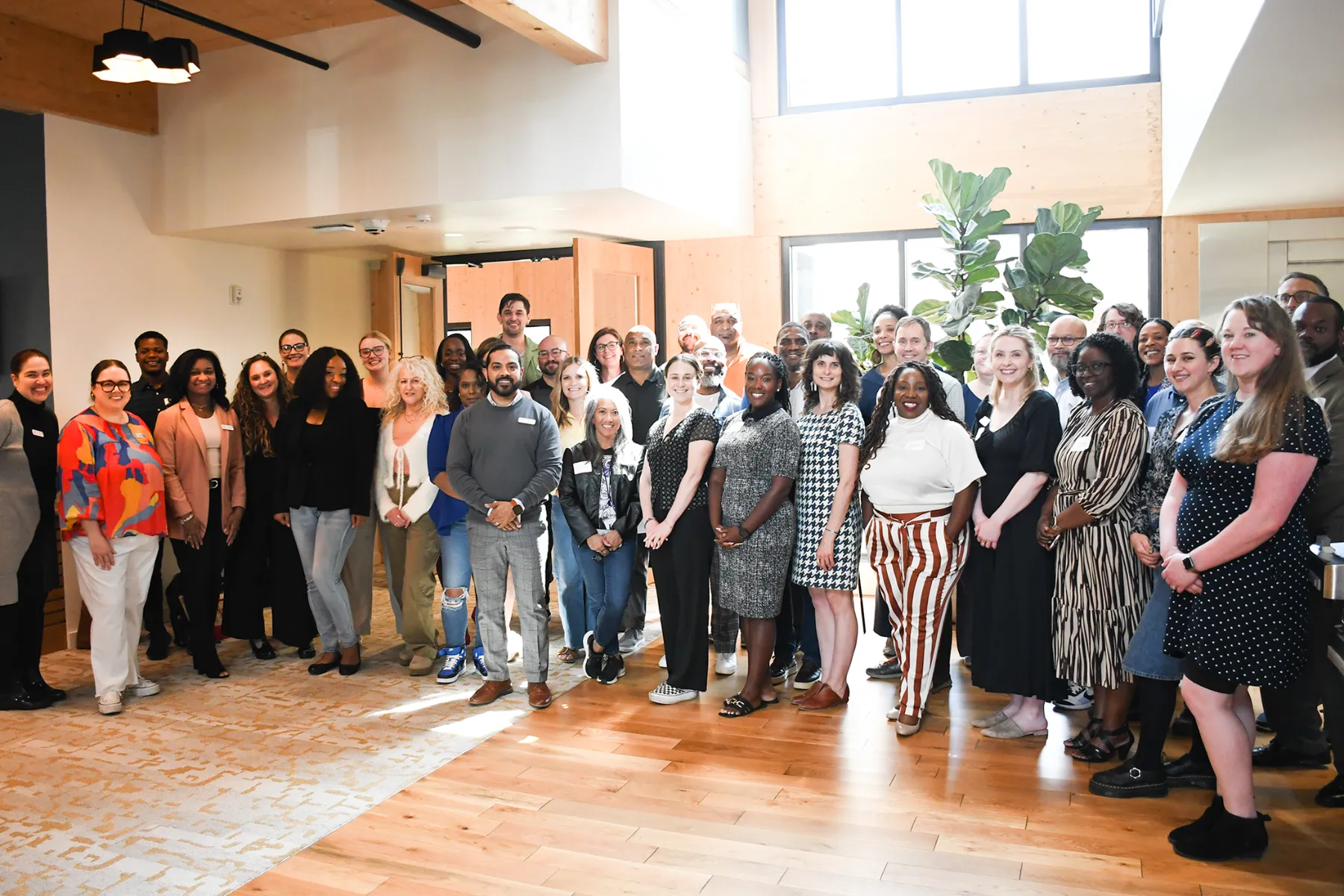
CFMT’s Community Impact team and community members gather for one of CFMT’s cohort sessions.
BUILDING SOMETHING THAT LASTS, TOGETHER.
CFMT’s strength is the local knowledge it carries and the steady care it brings to Middle Tennessee. Laundrea Lewis and Jerry Williams help tell the story of why CFMT has lasted for 35 years. Laundrea has built systems, relationships, and institutional knowledge that has carried the Foundation forward. Jerry has seen, as a donor, board leader, and grants committee chair, how that work turns generosity into something lasting. As Middle Tennessee continues to grow and change, that foundation will continue to guide what becomes possible next.
“While community may be the first word in our name, without foundation, we wouldn’t be here. You cannot build anything without a stable foundation.”
Laundrea Lewis — CFMT’s Director of Grants Management and its first employee in 1993