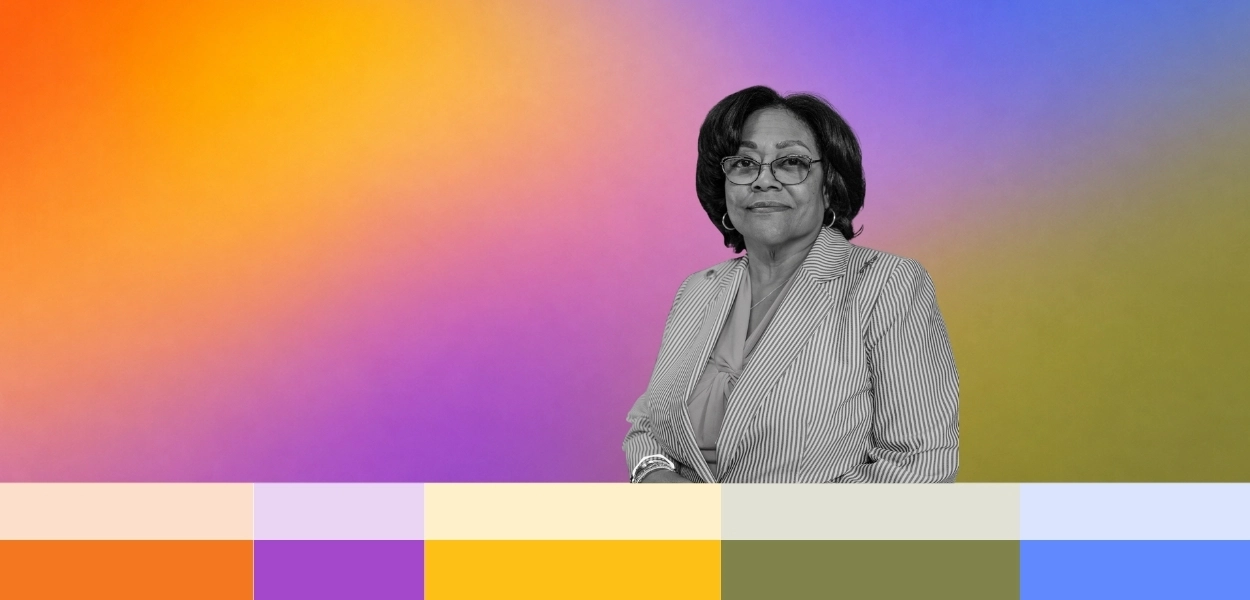
The 2026 theme for Black Philanthropy Month was “Many Voices. One Movement.” It honored the many people, communities, and forms of generosity that carry Black philanthropy forward.
The Gamechangers 2026 cohort reflect that range. Their work reaches across education, law, cultural preservation, youth development, recovery services, mental health, and spiritual life. Each has chosen a different path of service, but all are helping build a stronger and more connected Middle Tennessee. Over eight weeks, we will share an in-depth profile of each of our eight Gamechangers 2026 cohort, carrying the celebration from Black Philanthropy Month in August into National Philanthropy Month in November.
 play_arrow
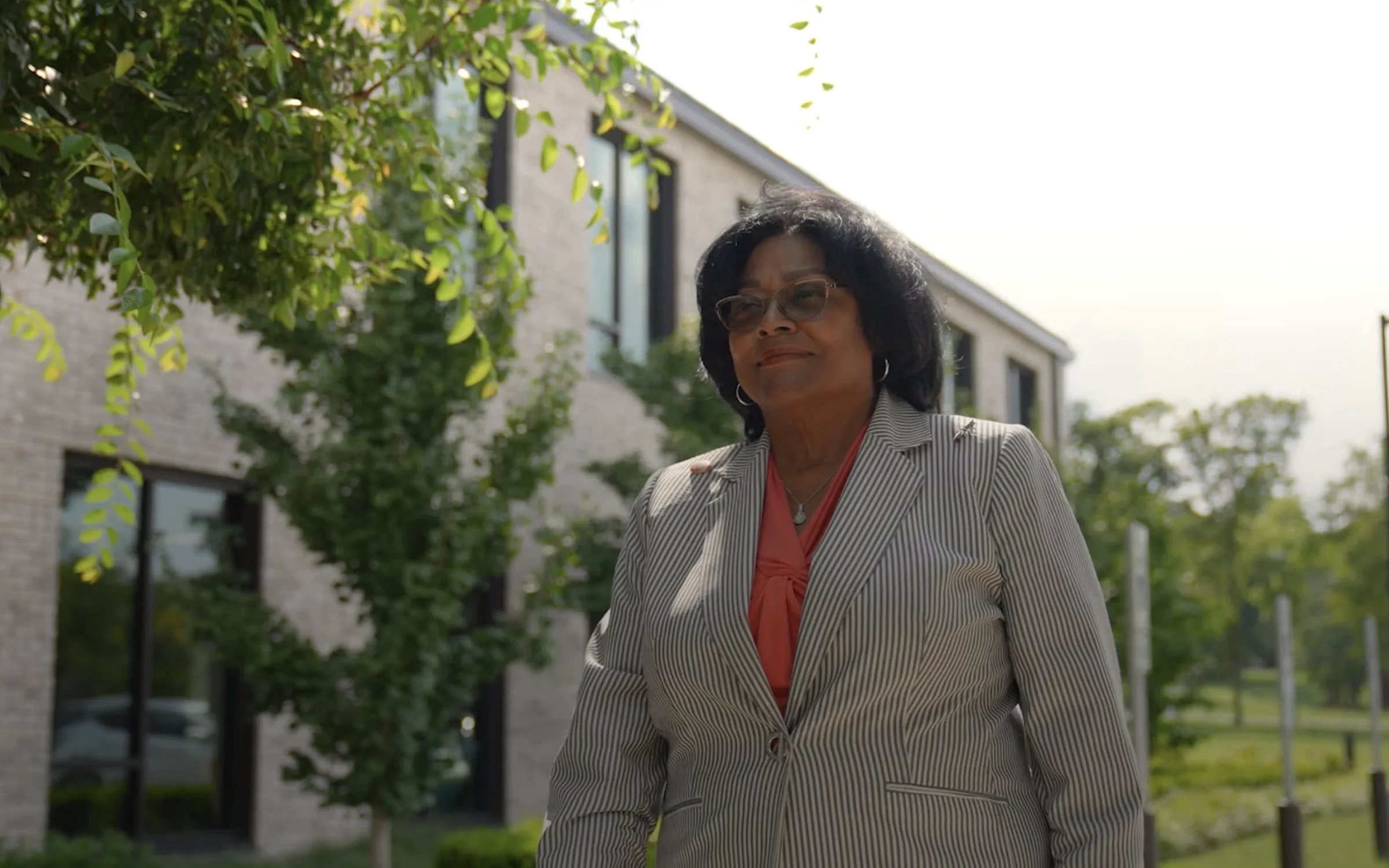
Karen Coffee – Vice President, Jefferson Street Sound Museum
Karen Coffee works to ensure the past is not forgotten. A native Nashvillian and vice president of the Jefferson Street Sound Museum, she develops programs, events, and outreach that introduce visitors to the corridor’s musical history from the 1940s through the 1970s. That story includes nationally known performers, local musicians, neighborhood businesses, and the people who made Jefferson Street a center of Black life in Nashville. An author and community volunteer, Coffee serves on the Nashville PBS Community Advisory Board and the Jefferson Street Corridor Study Advisory Board. She is also a board member of the Jefferson Street Historical Society. Preserving history is important.
Coffee’s nomination calls attention to the work she does away from the spotlight, describing her as “the driving force behind much of the Jefferson Street Sound Museum’s extraordinary growth and national recognition.” One of the clearest examples is her leadership in securing the museum’s designation as an official stop on the U.S. Civil Rights Trail. The designation places the museum among sites tied to the struggle for equality and gives visitors from across the country another way to understand how music, community, and the Civil Rights Movement came together along Jefferson Street.
Inside the museum, Coffee has helped create an educational experience for students, scholars, tourists, and neighbors. She has authored content connecting the museum and its surroundings with Nashville’s role in the Civil Rights Movement. Through that work, visitors encounter the musicians who filled Jefferson Street with sound and the people who marched along it for change. Her nomination credits her with preserving “an irreplaceable chapter of American history” and creating “a lasting legacy that will benefit Nashville and visitors from across the nation for generations to come.”
The music may bring people through the door, but Coffee’s work shows why the story extends far beyond any single song or performer. Her Q+A begins with the family members who taught her to serve and continues through the programs she has helped build at the museum. The following interview has been edited for length and clarity.
You have said preserving history is about more than artifacts. What happens to a community when its stories are kept, and what happens when they are lost?
If the stories are lost, we lose the community. The stories we keep are intangible. They are not things you can hold in your hand. They live in the stories you tell, the experiences you have, and the rituals you continue.
Who in your family showed you what caring for people and giving back could look like?
There were many people in my family. I will start with my great-grandfather, Dr. George Washington Buckner. He was born into slavery and became a medical doctor. He felt compelled to go to medical school so he could help heal people. He returned to Evansville, Indiana, opened a family practice, and became active in civil rights. President Woodrow Wilson later appointed him U.S. minister resident and consul general to Liberia.
Of course, there was also my beautiful mother. I wanted to be a woman like her. She was a Renaissance woman who was intelligent and gifted in the arts. She always told me, “Strive to be your best.” I took that to heart.
What did you feel you could bring to the Jefferson Street Sound Museum?
I felt I could help expand the museum’s programs and community involvement. We created several programs, including SYMOR, or Start Your Month Off Right. It is an open mic and artist showcase that continues the tradition of live music on Jefferson Street. It gives artists a place to share their gifts, whether they have a Grammy or not.
We also created the Legacy Series, a fireside chat with people who have made an impact in our community. Dr. Bobby Jones is one example. He took gospel music to prime-time television. We record those conversations so their history and experiences are preserved.
You helped carry Jefferson Street’s story onto the U.S. Civil Rights Trail. Why does this street matter to America, not just Nashville?
The street matters to America because on April 19, 1960, the home of civil rights attorney Z. Alexander Looby was bombed early that morning. Later, C.T. Vivian and Diane Nash, along with 3,000 students and community members, marched down Jefferson Street to meet Mayor Ben West.
When they reached City Hall, Diane Nash asked Mayor West whether he believed it was morally right to segregate lunch counters. He said no. That exchange became a turning point in Nashville’s effort to desegregate its downtown lunch counters.
Can you imagine 3,000 students and community members walking down Jefferson Street in silence and in unison? That is a powerful movement.
What do you want a young person walking through the museum to carry out the door?
I want them to understand what took place and how it made today possible for them. I want them to understand how people lived, how they worked, how they survived, and what circumstances they faced.
Yes, you can reach for the stars. You need to be determined to accomplish anything you put your mind to.
What is a Gamechanger to you?
A Gamechanger is someone who does not need public recognition. You do what you do because you are compassionate and passionate about what you are involved in. You uplift a person or a project without looking for recognition for yourself.
This year’s theme is “Many Voices. One Movement.” What does that phrase mean to you?
It means that all of us are different, but we have one mission and one goal. We all come together. It is one.
Finish this thought: “I give because…”
I give because I can.
To learn more about the Jefferson Street Sound Museum and the work that Karen Coffee is doing, visit https://www.jeffersonstreetsound.com/.
Join us each week as we celebrate each of our 2026 Gamechangers. Keep an eye out for their stories and the many ways these leaders show up every day to help build a thriving Middle Tennessee.
About Black Philanthropy Month
Celebrated each August, Black Philanthropy Month is a global observance of giving to and by people of African descent. It recognizes Black generosity in all its forms while inviting individuals, families, organizations, and communities to invest in Black-led change.
The 2026 theme, Many Voices, One Movement, reflects the idea that the strength of Black philanthropy comes from the people who carry it forward. Giving may take many forms, but it is united by collective care, community-led investment, and a shared commitment to justice and opportunity for Black people everywhere.
The theme also reminds us that this work does not belong to one person or organization. It grows when people come together to give, build, serve, and share their voices in support of a common purpose.
Since 2019, Community Foundation of Middle Tennessee has celebrated Black Philanthropy Month by highlighting Black leadership, connecting donors with Black-led organizations, and creating space for conversations about the future of giving in our region.
This year, CFMT will bring community members together for conversation, connection, and recognition of Black leaders shaping Middle Tennessee. Guided by Many Voices, One Movement, we will consider how donors, nonprofit leaders, businesses, families, and neighbors can each contribute to a stronger and more connected future for Black philanthropy.