The 2026 theme for Black Philanthropy Month was “Many Voices. One Movement.” It honored the many people, communities, and forms of generosity that carry Black philanthropy forward.
The Gamechangers 2026 cohort reflect that range. Their work reaches across education, law, cultural preservation, youth development, recovery services, mental health, and spiritual life. Each has chosen a different path of service, but all are helping build a stronger and more connected Middle Tennessee. Over eight weeks, we will share an in-depth profile of each of our eight Gamechangers 2026 cohort, carrying the celebration from Black Philanthropy Month in August into National Philanthropy Month in November.
This profile includes discussion of childhood sexual abuse. For children and families affected by child sexual abuse, Our Kids clinical team members are on call 24/7 to respond to emergencies at 1-877-237-0004. Sexual Assault Center also offers free, confidential help 24 hours a day at 1-866-811-7473.
 play_arrow
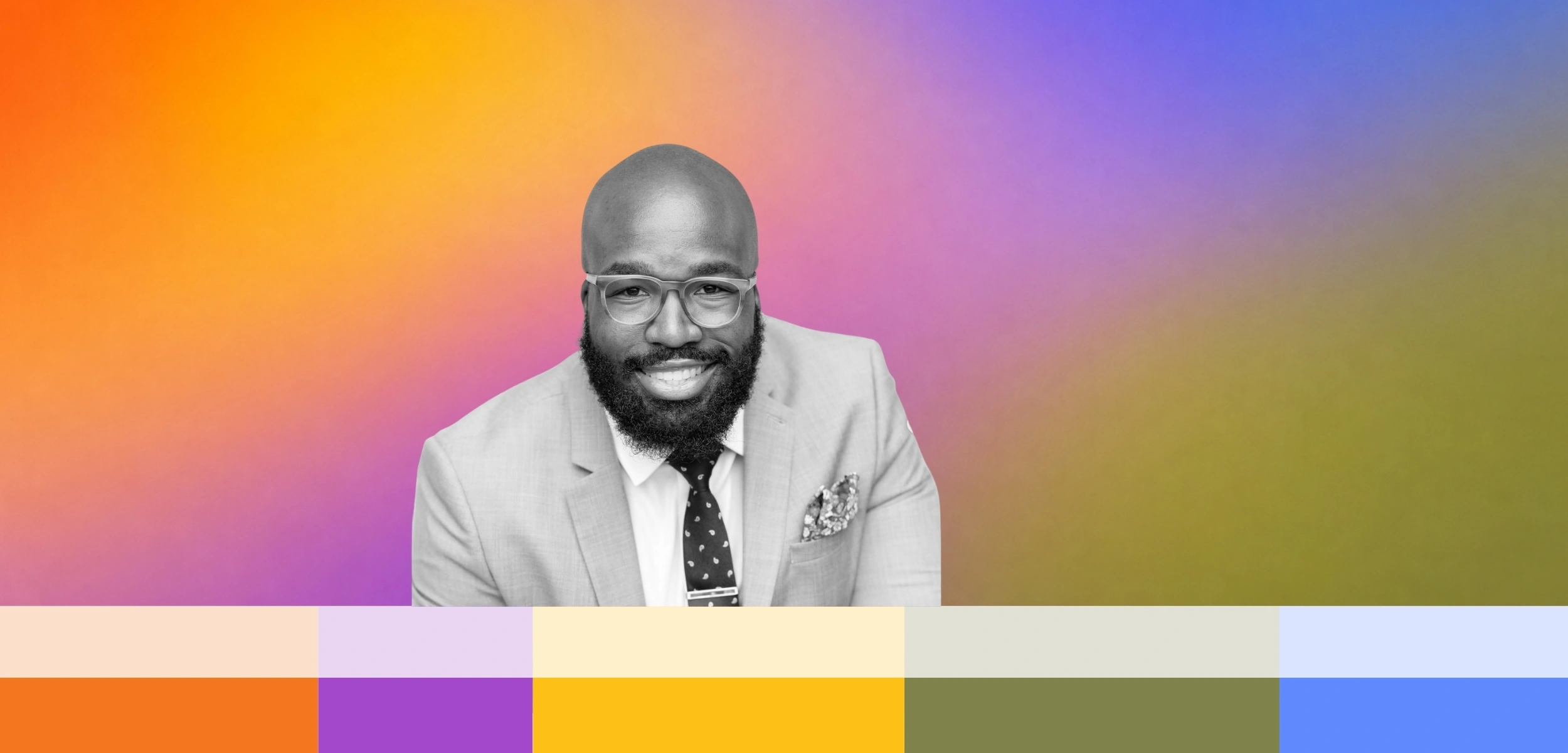
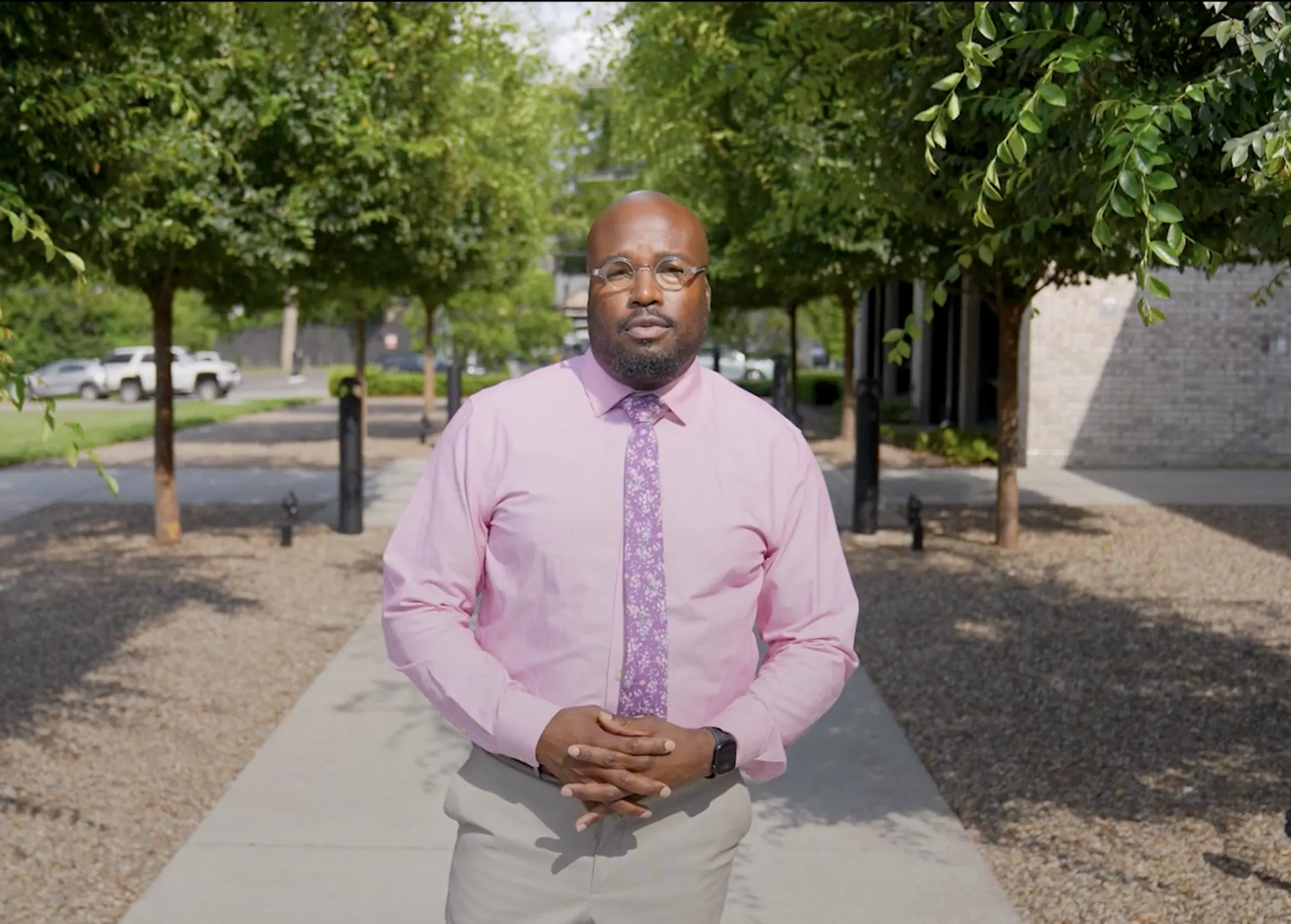
Rev. Rocky Major – Senior Associate Chaplain and Director, Center for Spiritual and Religious Life at Vanderbilt University
Rev. Rocky Major helps Vanderbilt students navigate questions of faith and identity. As senior associate chaplain and director of the Center for Spiritual and Religious Life, he provides pastoral care, supports varied religious practices, and creates space for interfaith learning and reflection. Major is also a survivor of childhood sexual abuse who has chosen to speak openly about his experience, particularly to challenge the silence surrounding sexual violence against Black men. He helped develop Trust and Care in Sacred Spaces: Confronting Sexual Abuse, which brings Vanderbilt, Project Safe, and the Sexual Assault Center together to help faith communities prevent abuse, recognize warning signs, and respond to survivors with care.
Major’s nomination to become a Gamechanger begins by highlighting the courage it took to turn a private wound into a source of care for others. It calls him “a transformative leader whose work is changing how our community responds to trauma, healing, faith, and justice.” The nomination credits Major with using his story to reach survivors who have often been overlooked and with helping Sacred Spaces take shape through funding, knowledge, and lived experience. It concludes, “Rocky is a true gamechanger because he transforms personal adversity into collective healing and empowers others to find their voice, their dignity, and their path toward recovery.”
Major’s answers begin with the moment he learned the abuse was not his fault. From there, he reflects on the responsibility he now feels to make room for others’ healing. The interview has been edited for length and clarity.
You have spoken openly about surviving childhood sexual abuse. When did you begin to understand that what happened was not your fault?
When I entered college, it was the first time I was exposed to the idea that the sexual abuse was not my fault. Before that, I held it close to my chest and lived in silence for some time. That experience opened me up to the idea that the things I had gone through were not my fault.
How did healing change the way you saw yourself?
As I was able to heal, it gave me the freedom to see that I am worthy, I am capable, and I am whole outside of what happened to me.
How does your own experience shape the work you do now?
The work I am doing now comes from wanting to be there for the little boy who did not get help, the little boy who was struggling in silence.
What does it mean to walk alongside students as a university chaplain?
On a day-to-day basis, I have the opportunity to walk with students, to be a journey partner in life, and to allow them to ask the hard questions that form them into the people they will be in the world tomorrow.
You were deeply involved in church as a child, yet the church missed what you were carrying. Why did this work need to reach faith communities?
I was heavily active in the church. I was a children’s usher, sang in the choir, and had many relationships in the church. But the church missed an opportunity for me to get healing early on.
That is why I am so passionate about training faith communities to recognize the signs of sexual abuse and equipping congregations to face its reality, so we are not missing opportunities for healing.
What do you want someone carrying something silently right now to hear?
It is okay to get help. I know it may feel uncomfortable. I know it may feel taboo. But being able to talk to somebody and be honest with them is the first step toward your healing.
You have said healing is a form of philanthropy. What do you mean by that?
Healing is philanthropy because it aids in human welfare. If we are trying to make a community that is whole, we are not going to get there without healing. We are not going to get there without asking tough questions. Real welfare is healing.
Finish this thought: “I give because…”
I give because I have been so graciously given to. If it were not for those who gave, I would not be here.
To learn more about the Center for Spiritual and Religious Life and the work that Rev. Rocky Major is doing, visit www.vanderbilt.edu/student-affairs/religious-life/.
Join us each week as we celebrate each of our 2026 Gamechangers. Keep an eye out for their stories and the many ways these leaders show up every day to help build a thriving Middle Tennessee.
About Black Philanthropy Month
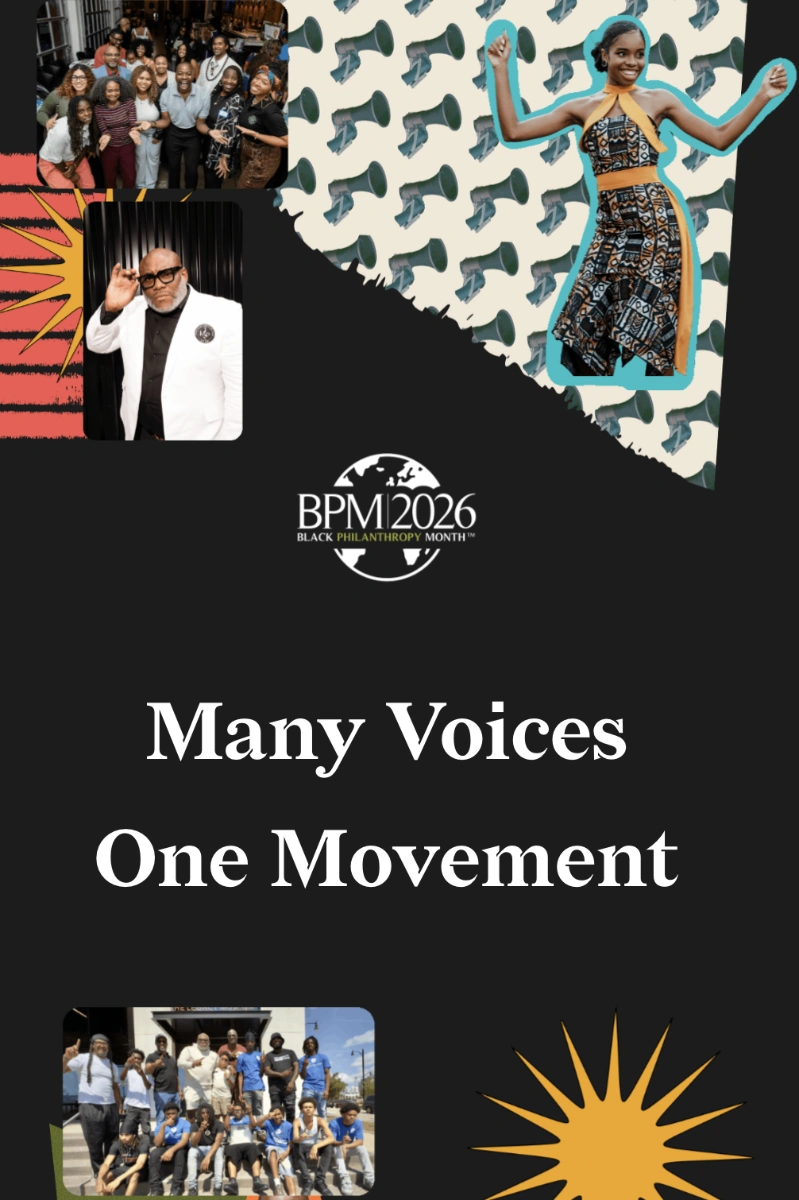
Celebrated each August, Black Philanthropy Month is a global observance of giving to and by people of African descent. It recognizes Black generosity in all its forms while inviting individuals, families, organizations, and communities to invest in Black-led change.
The 2026 theme, Many Voices, One Movement, reflects the idea that the strength of Black philanthropy comes from the people who carry it forward. Giving may take many forms, but it is united by collective care, community-led investment, and a shared commitment to justice and opportunity for Black people everywhere.
The theme also reminds us that this work does not belong to one person or organization. It grows when people come together to give, build, serve, and share their voices in support of a common purpose.
Since 2019, Community Foundation of Middle Tennessee has celebrated Black Philanthropy Month by highlighting Black leadership, connecting donors with Black-led organizations, and creating space for conversations about the future of giving in our region.
This year, CFMT will bring community members together for conversation, connection, and recognition of Black leaders shaping Middle Tennessee. Guided by Many Voices, One Movement, we will consider how donors, nonprofit leaders, businesses, families, and neighbors can each contribute to a stronger and more connected future for Black philanthropy.