A Conversation with Mike Helms
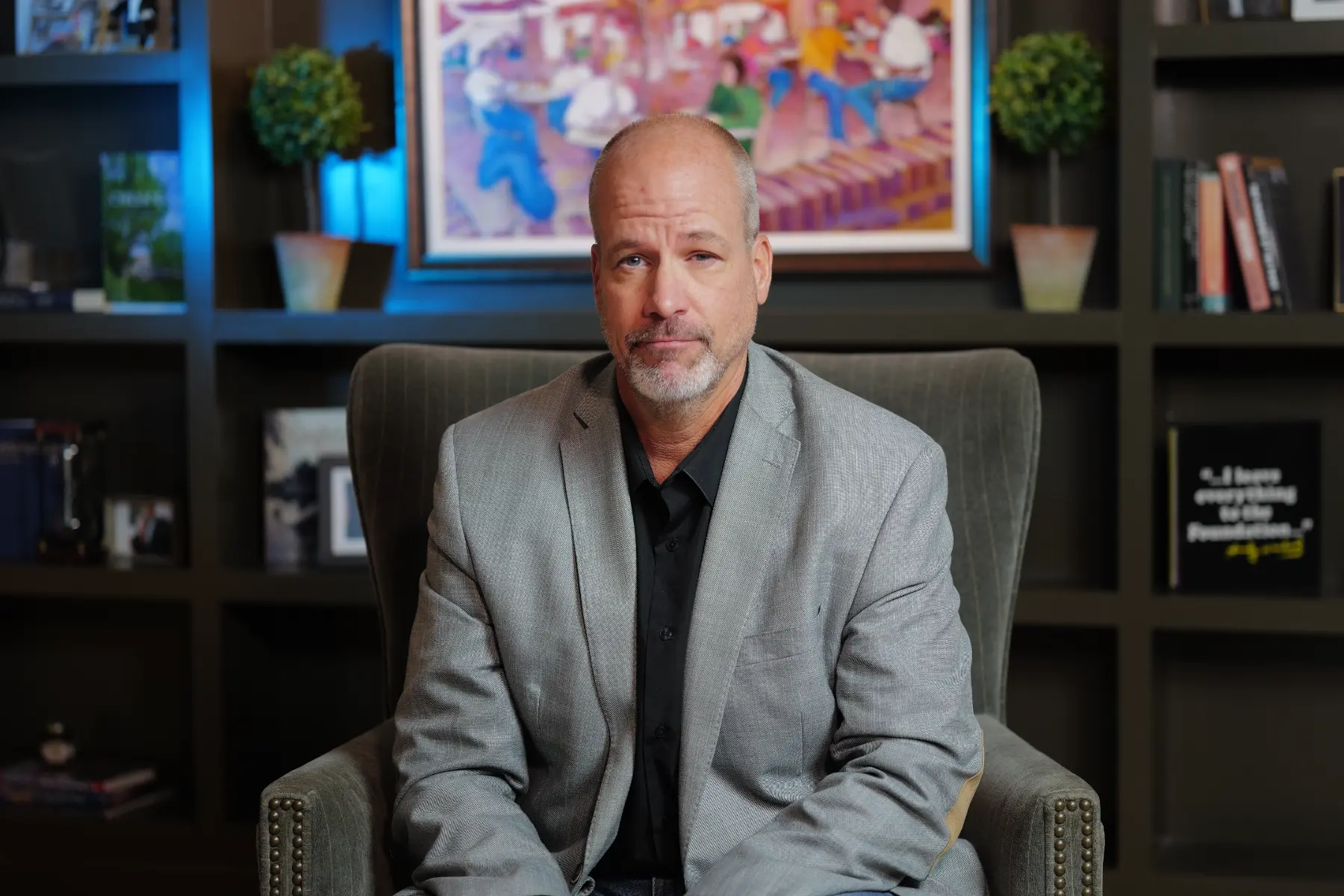
Mike Helms is vice president of adult education and outreach at Bridges for the Deaf and Hard of Hearing. His connection to the nonprofit began in college, when he received interpreting services from. He later served as board treasurer before joining the staff.
Bridges for the Deaf and Hard of Hearing, a 2025-26 CFMT Community Impact Grant recipient, supports Deaf, Deaf-Blind, and hard of hearing people and their families throughout their lives. As the organization approaches 100 years of service, Helms shares his connection to its mission and what equal access looks like in everyday life.
This interview has been edited for length and clarity.
How did you come to BridgesDHH, and what connects you to its mission?
I’ve had a relationship with Bridges for the Deaf and Hard of Hearing since my college days, when I received interpreting services through BridgesDHH. I later became treasurer of the board and held that role for many years.
That led me to wanting to be more involved, so I started working there part time. As the years progressed, I transitioned into a full-time role. I’m currently vice president of adult education and outreach, and I love my work at BridgesDHH.
BridgesDHH is approaching 100 years of service. What does that milestone mean to you?
We’re celebrating the extraordinary work of the last 99 years and the memories and relationships we’ve built. But we’re also having hard conversations and exciting conversations about what the next 100 years could be.
We’re looking at how needs are changing, the expanding role of technology, and what barriers and access mean in urban areas versus rural areas. We have an opportunity to embrace new paths and take some leaps of faith so we can be of service to those in our community right now and for the next century to come.
What do you wish more hearing people understood about Deaf culture and communication?
We love our identities, our language, our culture. Deafness is not a monolith. Some of us are culturally Deaf and use American Sign Language as our native language. ASL is not a signed version of English. It’s a completely separate language with its own grammar, syntax, and idioms.
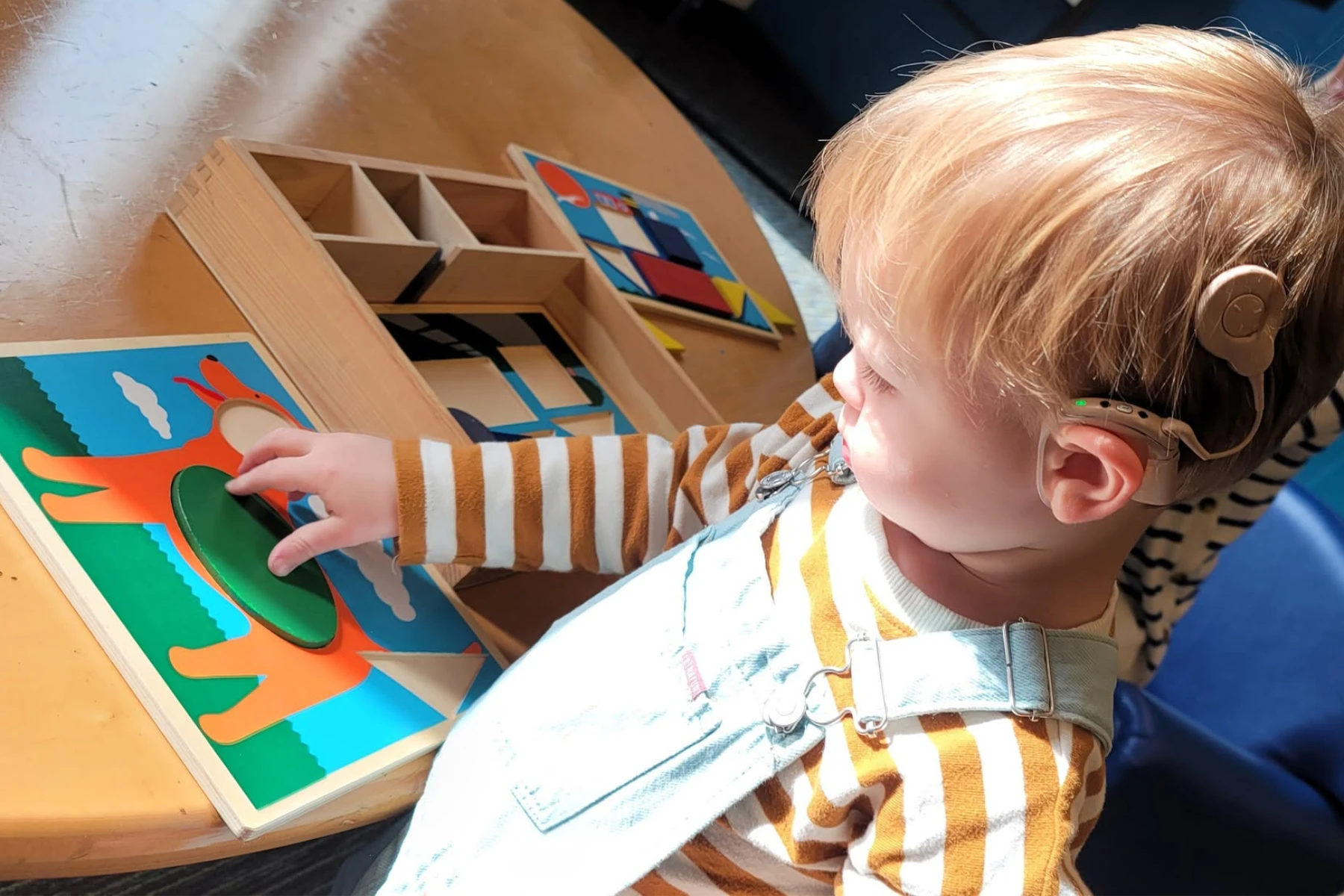
Some people use cochlear implants or hearing aids. Some are late-deafened because of military service, their jobs, or simply growing older. Some are Deaf-Blind. Deafness is a wide range of identities and realities. Our work is really about equity and access. It’s about civil rights and human dignity.
What barriers remain, and what is at stake when people cannot communicate effectively?
For all the advances in laws like the Americans with Disabilities Act, technology, education, and awareness, we still experience barriers every day. We live in a world built by hearing people, for hearing people, and we still encounter resistance to providing equal access.
Those barriers can start early when a deaf child does not have access to language at home. They can continue through school, social interactions, doctors’ offices, employment, and housing. There are still misconceptions and prejudices about what being deaf or hard of hearing means.
Imagine having conversations with your doctor and making major medical decisions about your life or the life of a loved one without effective communication. Imagine being questioned by the police or being on trial. Every human being needs and deserves effective communication.
How do BridgesDHH programs support people at different stages of life?
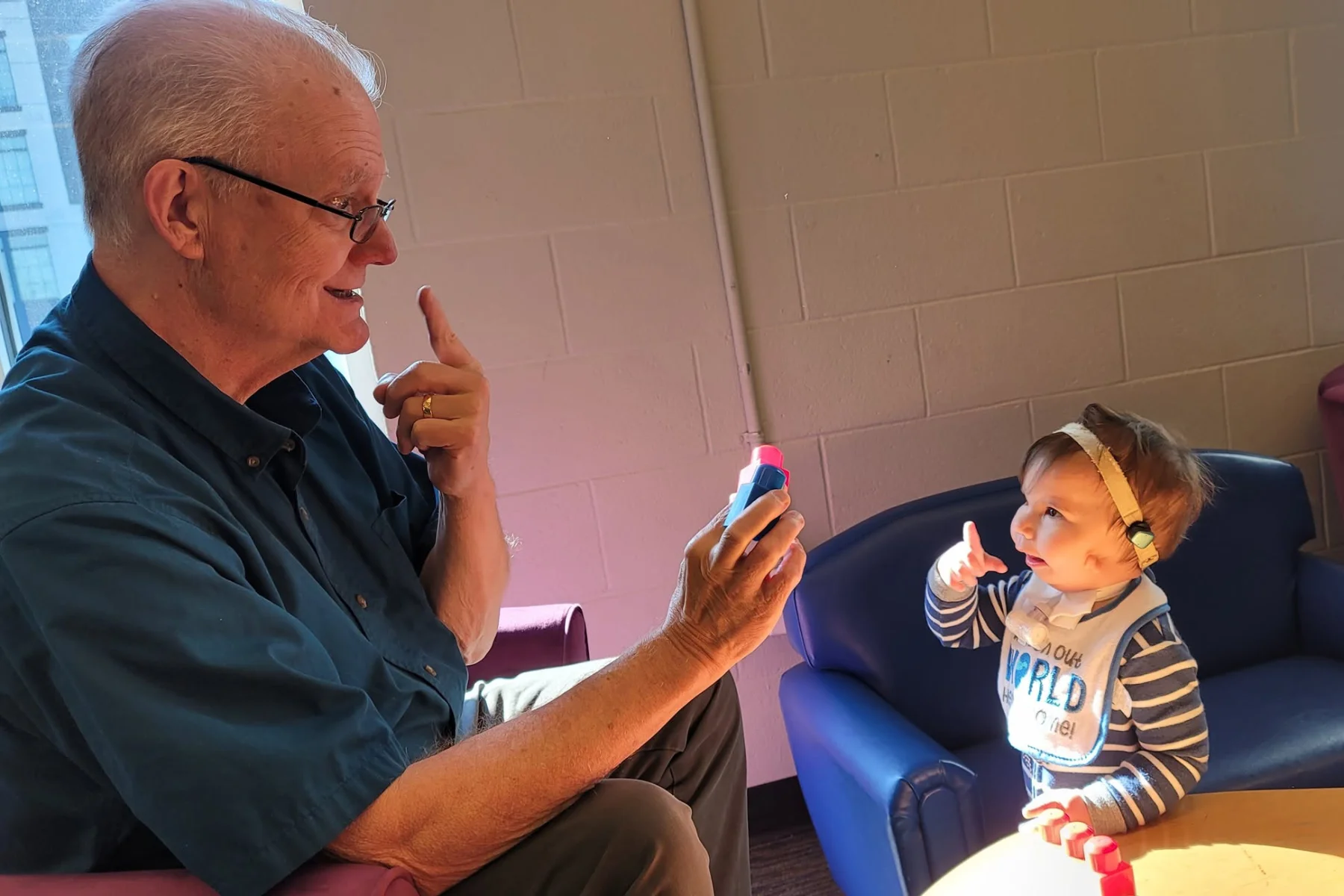
We have a continuum of programs and services from birth through the senior years. Our youth programs start with Little ACEs, which pairs hearing families with deaf or hard of hearing children from birth to age 5 with Deaf mentors who bring language, culture, advocacy, and relationship.
From kindergarten through 12th grade, we offer after-school programs, tutoring, school-based mentoring, and camps. After high school, our adult education, outreach, and empowerment programs provide social connections and workshops, along with social work and case management to help with needs such as housing and employment.
These programs continue throughout your life, and we have special programming for some of our senior citizens. Through all of it, we offer advocacy, interpreting services, and constant support. There’s so much we do each day to walk with someone through their entire life.
What does greater access look like in everyday life?
For families in Little ACEs, it looks like increased confidence and a greater sense of belonging and security for both parents and children. It looks like children developing fluency in two languages and entering school ready to learn with their hearing peers.
It looks like children thriving in school and having options for college, vocational school, or a career. It looks like adults with stable jobs and stable housing who can be part of our proud Deaf community and the communities of neighbors, colleagues, or faith institutions around them.
It looks like everyday life that doesn’t require constant battles just to participate in simple, everyday things. It looks like life.
Is there someone whose story stays with you?
Immediately, I think about Rita, a deaf woman here in Nashville who had a long history of working with us. One evening, as we were leaving for the day and went to lock the front doors, Rita was sitting in our lobby. She had lost her housing and had nowhere to go. She had come to the one place she felt safe.
We got her emergency housing, made sure she was fed, and started working to find permanent housing and access to the money she needed to survive.
Through that process, we realized she had health issues and that communication between her doctors and pharmacies was a mess. She wasn’t able to maintain all the medications she needed. From that, we started a pharmacy program that synced everything for her and advocated for her.
We got to see Rita at the happiest and healthiest she had been in her adult life. She was safe and secure, and she was eager to give back. She ended up joining our staff and working with the children in our programs. The sight of Rita’s smile was a gift to us all.
How can support with employment and housing change someone’s life?
Bruce was here in Nashville trying to access benefits and looking for a job. There are misconceptions in the hearing world about whether deaf people can work or whether it’s safe for deaf people in certain environments. In the meantime, he had nowhere to live.
We worked closely with Bruce, and he found a full-time job where his coworkers were welcoming and eager to learn some basic signs to communicate with him. He moved into stable, permanent housing.
Like everybody else, Bruce is a person who can determine his future. He can go to work, earn a paycheck, pay his bills, and live the life he chooses. We got to be part of that, and that’s a gift to us as much as it is to Bruce.
What needs are shaping BridgesDHH’ plans for the future?
We’re looking at access in larger metropolitan areas versus access that is still lagging in rural communities. How do we get into those smaller areas, find the individuals who need us, and meet their needs?
We’re in constant conversation with the community we serve. We are serious about following the lead of the Deaf, Deaf-Blind, and hard of hearing community. They know what the barriers are, what their needs are, and how best to remove those barriers.
We’re looking at satellite offices in other counties where we could get closer to underserved communities. We’re also working to recruit and train 240 educational interpreters through our Educational Interpreter Development Program, supported by the Tennessee Department of Education, to serve in Tennessee’s K–12 public schools.
We’re excited about raising the quality of access in public schools because that opens doors to opportunity and self-determination.
How can individuals, businesses, and community partners help make their communities more accessible?
The most obvious answer is interpreting services. Whether you’re a business, an educational institution, or a faith institution, you’re providing equal access and effective communication.
Captions are also so important. When you think about social media and how people interact with the public, captioning every video is important for equal access and effective communication.
We welcome volunteers and allies. We’re always willing to come out and provide free training and education, and to find spaces where we can work more closely together.
Learn more about Bridges for the Deaf and Hard of Hearing at bridgesfordeafandhh.org