As the holiday season approaches, the safety net that more than 121,000 of Middle Tennessee families depend on is in jeopardy. The latest updates as of November 3, 2025, show that SNAP (Supplemental Nutrition Assistance Program) recipients are facing significant challenges due to the ongoing federal government shutdown.
Due to the prolonged shutdown, SNAP benefits were initially cut off for November. Following legal action, federal courts ruled that partial payments must be distributed using reserve funds to avoid a total lapse in benefits. As a result, Middle Tennessee SNAP households will receive roughly half of their usual monthly benefit for November, rather than the full disbursement. For example, an average household that typically receives $188 will receive about $94 this month.
SNAP is the foundation of many families’ food budgets. More than 700,000 Tennesseans rely on this program each month for essential groceries and nutrition. The reduction in benefits means an immediate crisis for working parents, seniors on fixed incomes, and children who depend on consistent meals.
While charitable food programs remain crucial, they cannot meet the scale of need alone. Feeding America data shows that for every one meal provided by a food bank, SNAP provides nine. That gap underscores how urgent it is for our community to rally around local organizations already working on the front lines of hunger relief.
Without additional intervention, hunger will rise sharply across the region in the coming weeks, just as winter begins.
Communities Most at Risk
Families living in food deserts such as North Nashville face the greatest hardship. As The Nashville Banner reports, these neighborhoods already struggle with limited grocery access and high reliance on SNAP. Many small grocers and food pantries say they are not equipped to absorb the surge in demand if benefits stop.
Elderly and disabled residents are also at risk, especially those in rural counties surrounding Davidson, Rutherford, and Wilson. These households often have limited transportation, few grocery options, and already spend a high percentage of their income on food.
Another often-overlooked factor is that when SNAP benefits are cut, families lose not only their grocery budget but also the financial flexibility to purchase hygiene products. SNAP covers only food items, not essentials like soap, shampoo, toothpaste, laundry detergent, diapers, or feminine hygiene products.
When those benefits disappear, families are forced into an impossible choice between food and basic hygiene. National research shows that two-thirds of people facing financial hardship have prioritized buying food over hygiene products in the past year. Without hygiene supplies, families face increased health risks, job insecurity, and emotional distress.
Across Middle Tennessee, hygiene banks and local nonprofits that distribute essential supplies will face significant strain as families turn to them for help. WPLN has reported that parents are already facing “impossible decisions” about whether to pay for food, rent, or medicine. This often-overlooked aspect of the crisis threatens not only food security but health, stability, and dignity.
Local Nonprofits Stepping Up
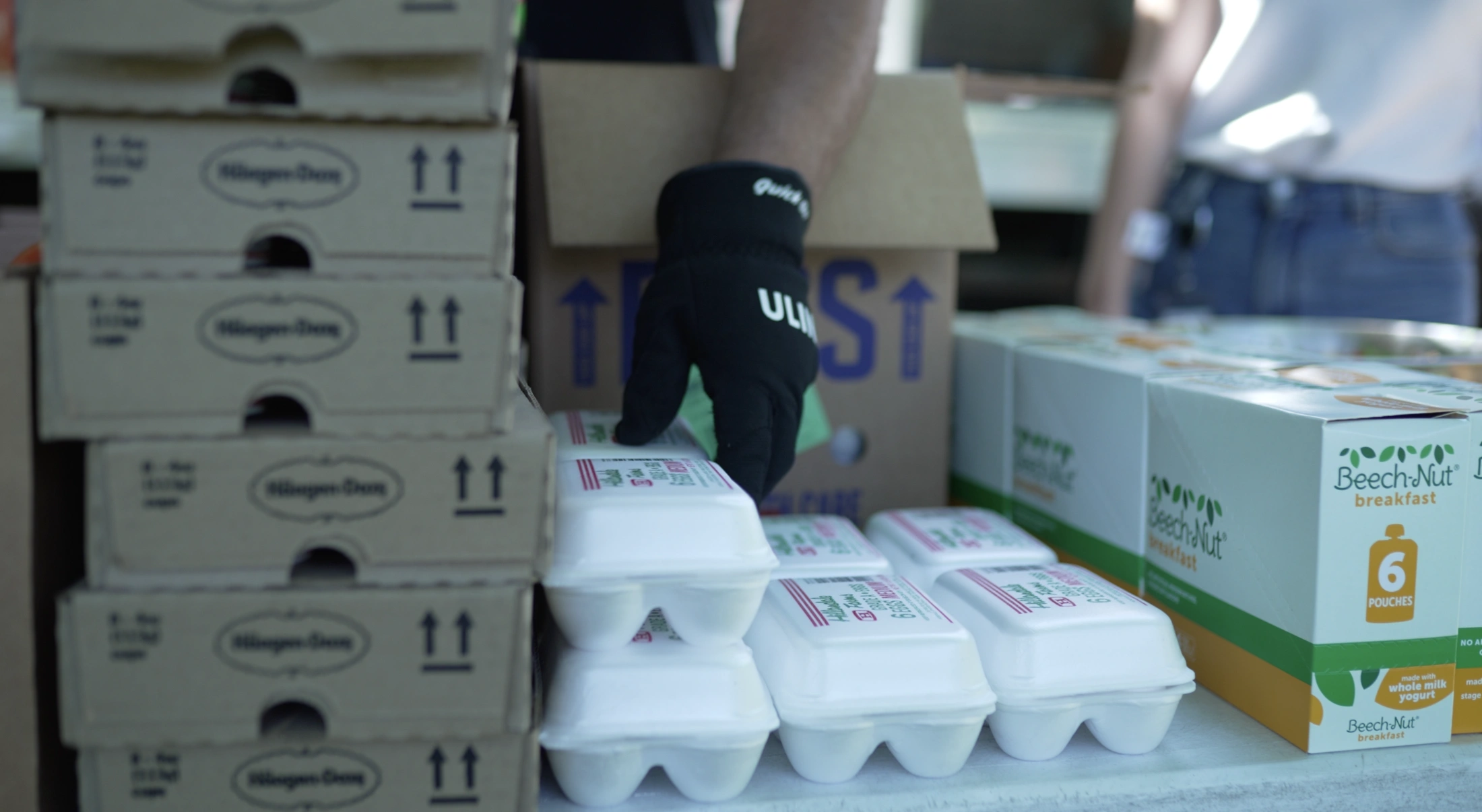
As pressure on household budgets intensifies, local food banks, community meal programs, and neighborhood organizations are working tirelessly to meet growing demand. These groups are not only distributing food but also providing the essentials that SNAP doesn’t cover — items like cleaning supplies, diapers, and personal care products that help families stay healthy and maintain dignity.
Across Middle Tennessee, this network of nonprofits, faith communities, and grassroots volunteers forms the backbone of our region’s response to hunger and household insecurity. Many of these organizations operate on the front lines, often relying on small staffs and limited budgets to serve a rising number of families each week.
Their efforts reflect what makes this region remarkable: collaboration, compassion, and a deep commitment to showing up for one another. Every volunteer hour, every donated can of food, and every hygiene kit shared represents neighbors standing together to sustain one another through uncertainty.
How You Can Help
Middle Tennessee has always shown up for its neighbors. When disasters strike, our community responds, and today’s challenge is no different.
Here are a few ways to stand alongside the organizations keeping our region nourished and dignified:
- Volunteer: Many pantries and distribution centers need extra hands to package, sort, and deliver goods.
- Donate Supplies: Nonperishable food, diapers, soap, and feminine hygiene products are always in high demand.
- Share Information: Encourage neighbors and families in need to connect with local food and hygiene providers.
- Advocate: Use your voice to raise awareness of hunger and access to hygiene across Middle Tennessee.
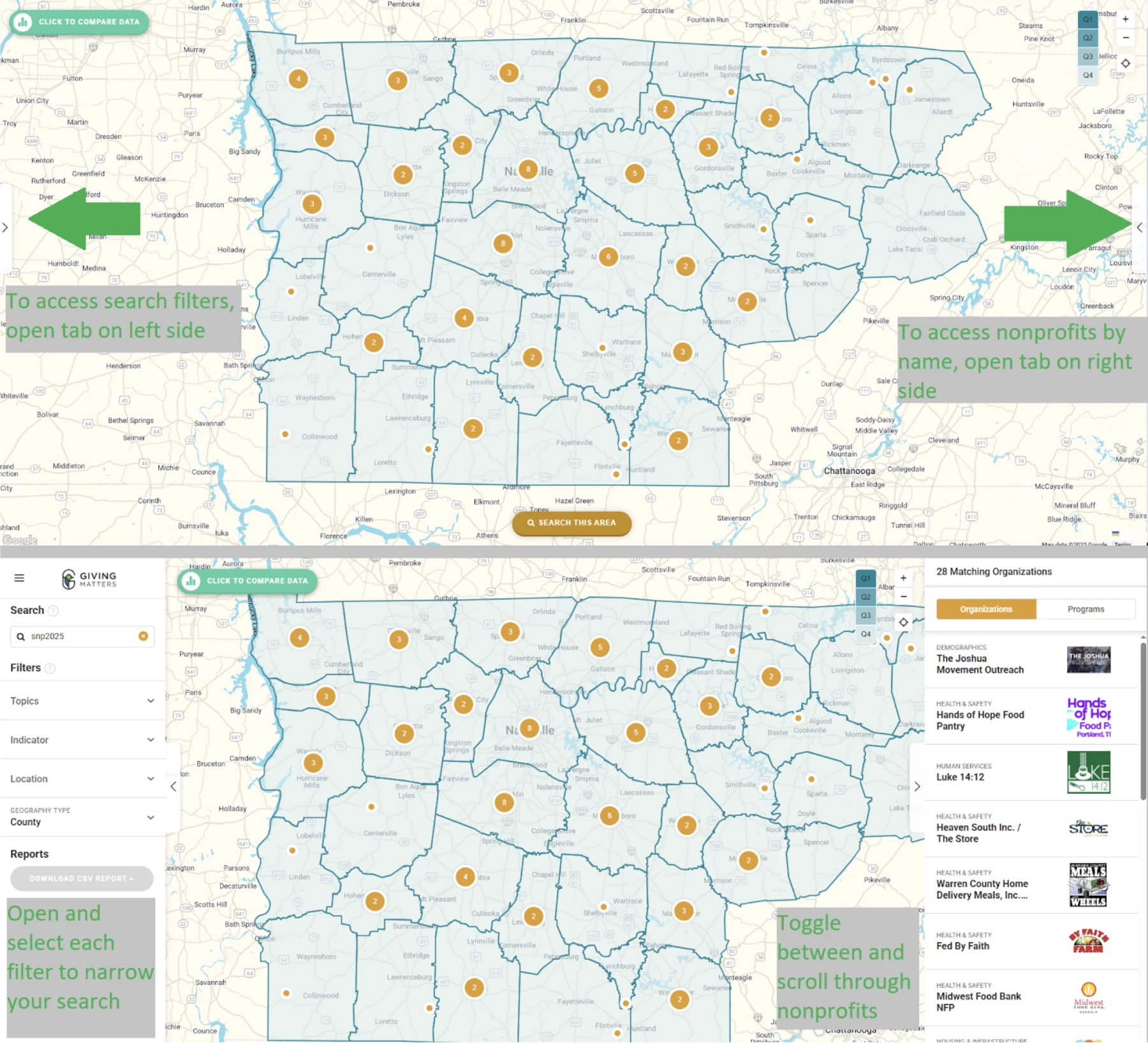
- Give: For a directory of nonprofits addressing food and hygiene needs across Middle Tennessee,
Informed Giving. Greater Impact.
Learn how to use the GivingMatters impact map to connect with and contribute to the nonprofits making a difference in Middle Tennessee.
Collectively, these organizations remind us that community isn’t defined by crisis; it’s defined by how we respond to one.