For many adults with intellectual and developmental disabilities, the path to independence narrows after high school. Structure fades. Social circles shift. Families are left asking a difficult question: what comes next?
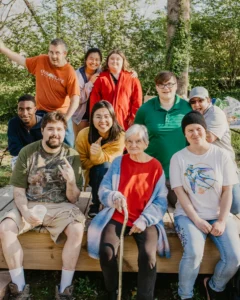
Our Place Nashville was created as a response to that question. Its model is simple, but distinct: adults with intellectual and developmental disabilities (IDD) live alongside graduate students and young adults seeking affordable housing. Instead of functioning as caregivers or clients, they are housemates, building shared lives as neighbors and friends.
Jordan Collins has been part of that vision from the beginning.
After moving to Nashville from South Africa, Jordan found himself drawn toward work that centered on people often pushed to the margins. When Vanderbilt Divinity School professor Jaco Hamman approached him about helping launch a “Friendship House,” the idea felt both practical and deeply aligned with what he believed.
Jordan and his wife, Bailey, had just gotten married and were looking for affordable housing. They stepped into the role of resident directors, helping shape the culture of the first home.
“The idea is they would form a community, live intentionally, and be supportive of each other,” Jordan said.
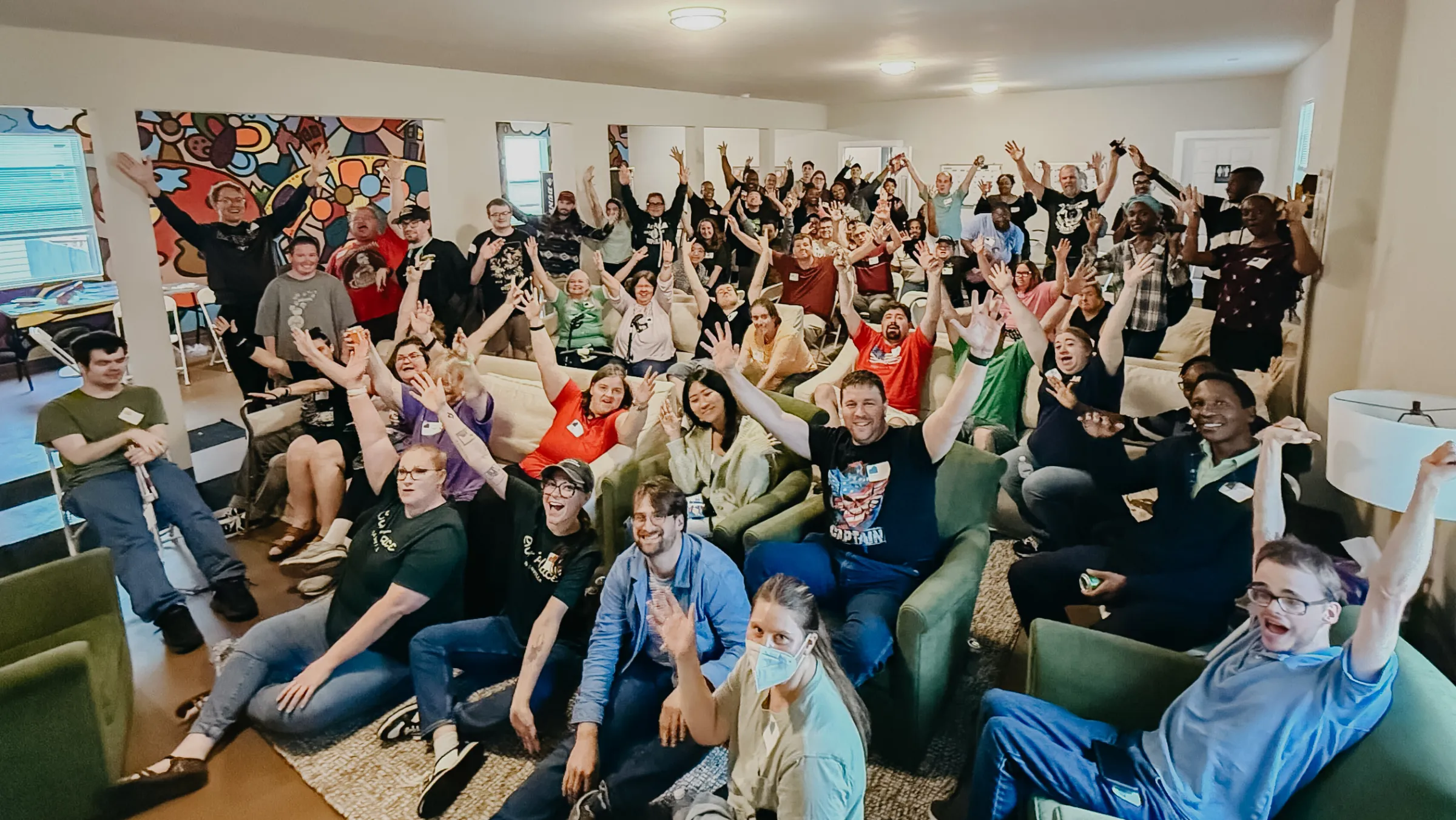
What started initially with 3 adults with IDD and 8 housemates has evolved into housing for 70 adults with IDD and 74 housemates. That early experience revealed something deeper. Independence, as Jordan saw it, was not about living alone. It was about having the relationships and support that make a full life possible.
More Than a Housing Problem
What began as a housing solution quickly became something more.
Our Place responds to two persistent challenges. The first is isolation. Too many systems separate people rather than bring them together. The second is uncertainty—especially for families wondering what life will look like for their loved one in the years ahead.
While affordability matters, the larger issue is access to belonging.
Many individuals with disabilities experience inclusion during their school years. Then graduation arrives, and that structure disappears almost overnight.
“They were living this meaningful, included high school life,” Jordan said, “and then many of their neurotypical friends get to build adult lives, and they get stuck.”
At the same time, families carry a quieter, more difficult question: what happens when parents are no longer able to provide care and support?
Our Place offers a different path forward. It provides stable housing, but just as importantly, it creates an environment where relationships can take root and grow.
Building a Life That Feels Like Your Own
The shift that happens within Our Place is often gradual, but meaningful.
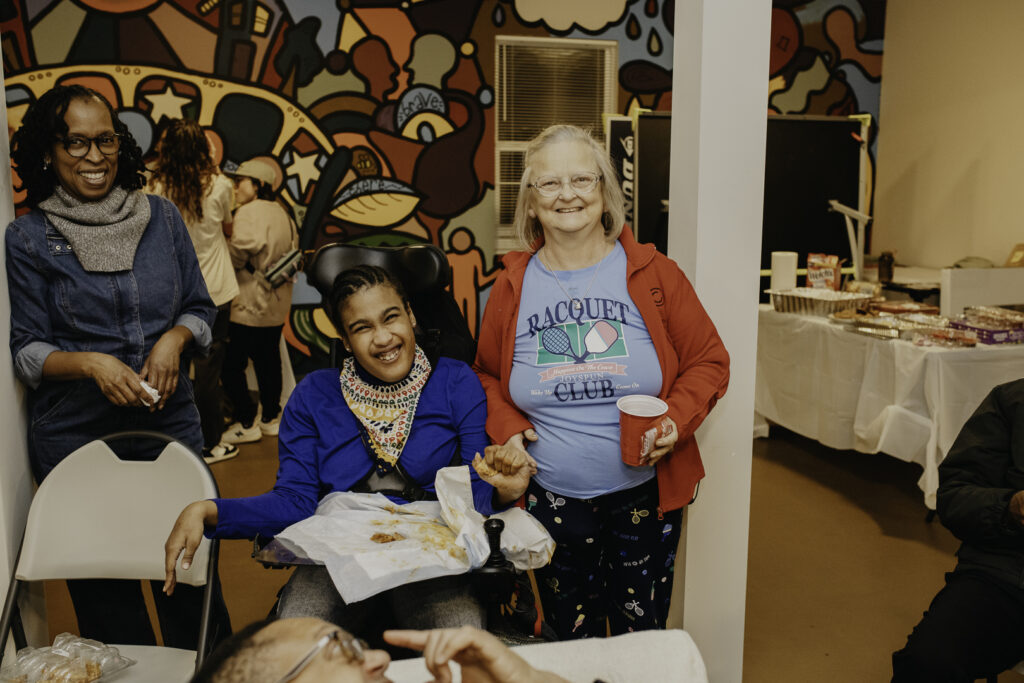
Residents begin to make their own decisions about how they spend their time. They build routines, form friendships, and grow more confident navigating daily life. Over time, the focus moves from what has been limited to what is now possible.
“The best thing is just hearing them say, ‘I’m doing this, and I’m happy about this, and this is what I want to do,’” Jordan said.
The goal is not to prescribe a path, but to create the conditions where individuals can shape their own.
“It’s not prescribing anything,” he said. “It’s like, what do you want to do? Here’s a safe place for you to be you.”
What Community Makes Possible
The impact of a supportive community environment becomes most visible in moments of transition.
Jordan recalls one resident who had been living semi-independently in a guest house behind her parents’ home. Within a short period of time, her circumstances changed dramatically. Her mother passed away, and her father later entered assisted living.
With no clear next step and limited support, she needed more than temporary help.
“We moved her right in,” Jordan said. “And now she’s like the mayor of the community.”
That transformation wasn’t the result of a program or a timeline, but rather from being surrounded by people who knew her, included her, and shared daily life with her.
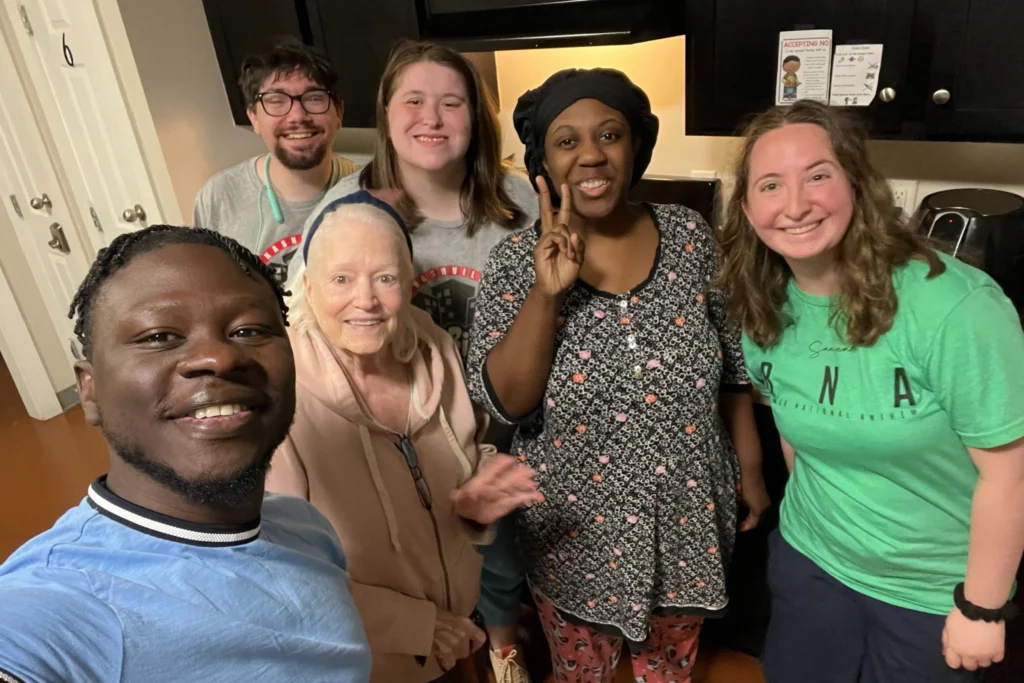
Another resident arrived with a goal of earning his GED. It took ten years to reach that milestone, but he did. Consistent support, encouragement, and stability made the difference.
At Our Place, success is defined individually. For some, it means employment. For others, it means learning to navigate transportation, building friendships, or gaining confidence in everyday decisions.
For families, the impact is equally significant. Parents who once carried constant concern begin to experience a different kind of peace of mind. Some describe taking their first vacations in years. Others talk about becoming empty nesters later than they ever expected.
Building Together
Our Place was built through partnership, and its future depends on it.
The organization continues to grow through shared resources, land opportunities, and community collaboration. Support can take many forms, from financial investment to teaching a class, offering expertise, or simply helping connect future residents and housemates.
Jordan points to Community Foundation of Middle Tennessee as an example of what strong partnership looks like.
“CFMT is very good at finding what the community needs are and trusting organizations to solve those needs,” he said. “And then checking in and partnering along the way.”
That kind of trust supports not only new initiatives, but the steady, ongoing work of sustaining communities over time.
As Our Place expands, the need continues to grow. The organization serves individuals with intellectual and developmental disabilities, while also offering housing opportunities for students, older adults, and others seeking a stable next step.
“We need housemates,” Jordan said. “We’re always looking for people who need affordable housing and want to be part of a special community creating a more inclusive, accepting, and diverse example of Nashville.”
An Invitation
Adults with disabilities are not separate from the life of this city. They are part of its neighborhoods, its relationships, and its future.
Our Place is building a model where independence and belonging exist together.
The invitation is straightforward: be a part of what the future can look like when everyone is included.
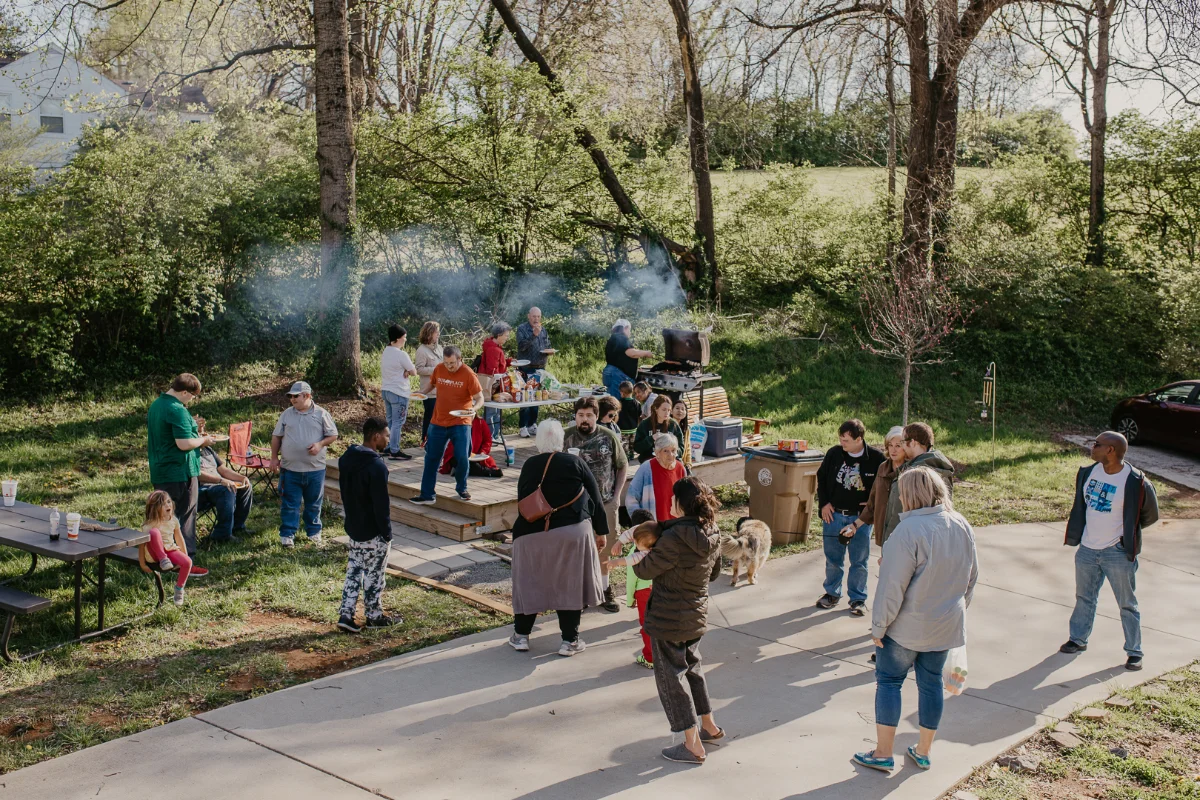
2025 Community Impact Grant recipient
Our Place is a 2025 Community Impact Grant recipient of Community Foundation of Middle Tennessee. To learn more about Our Place, make a gift, or to support the mission of bringing independence and community to adults with disabilities, visit https://www.ourplacenashville.org
Through CFMT’s Community Impact Grants, nonprofit partners receive flexible support across Arts and Creative Culture, Child and Youth Development and Education, and Positive Mental Health.