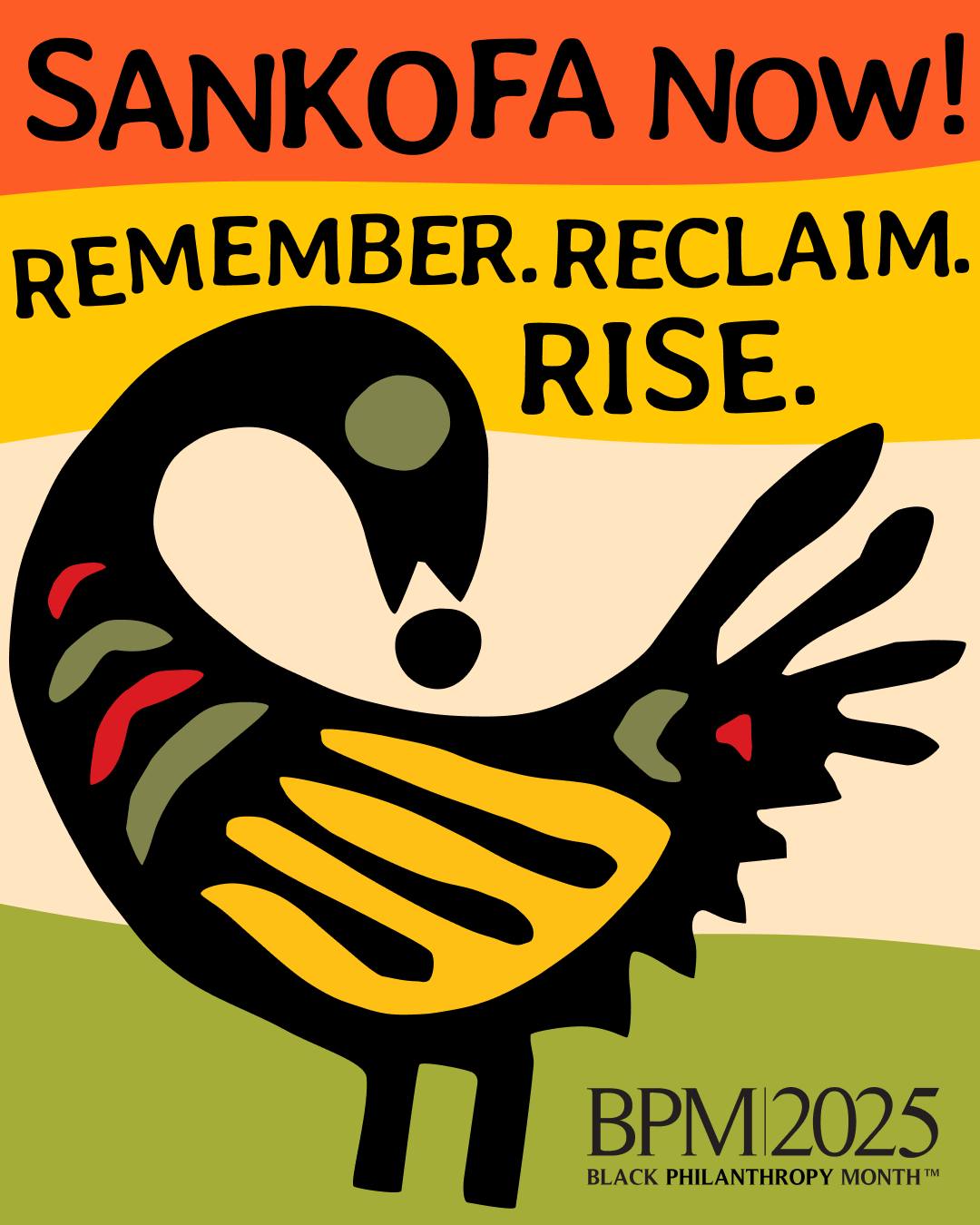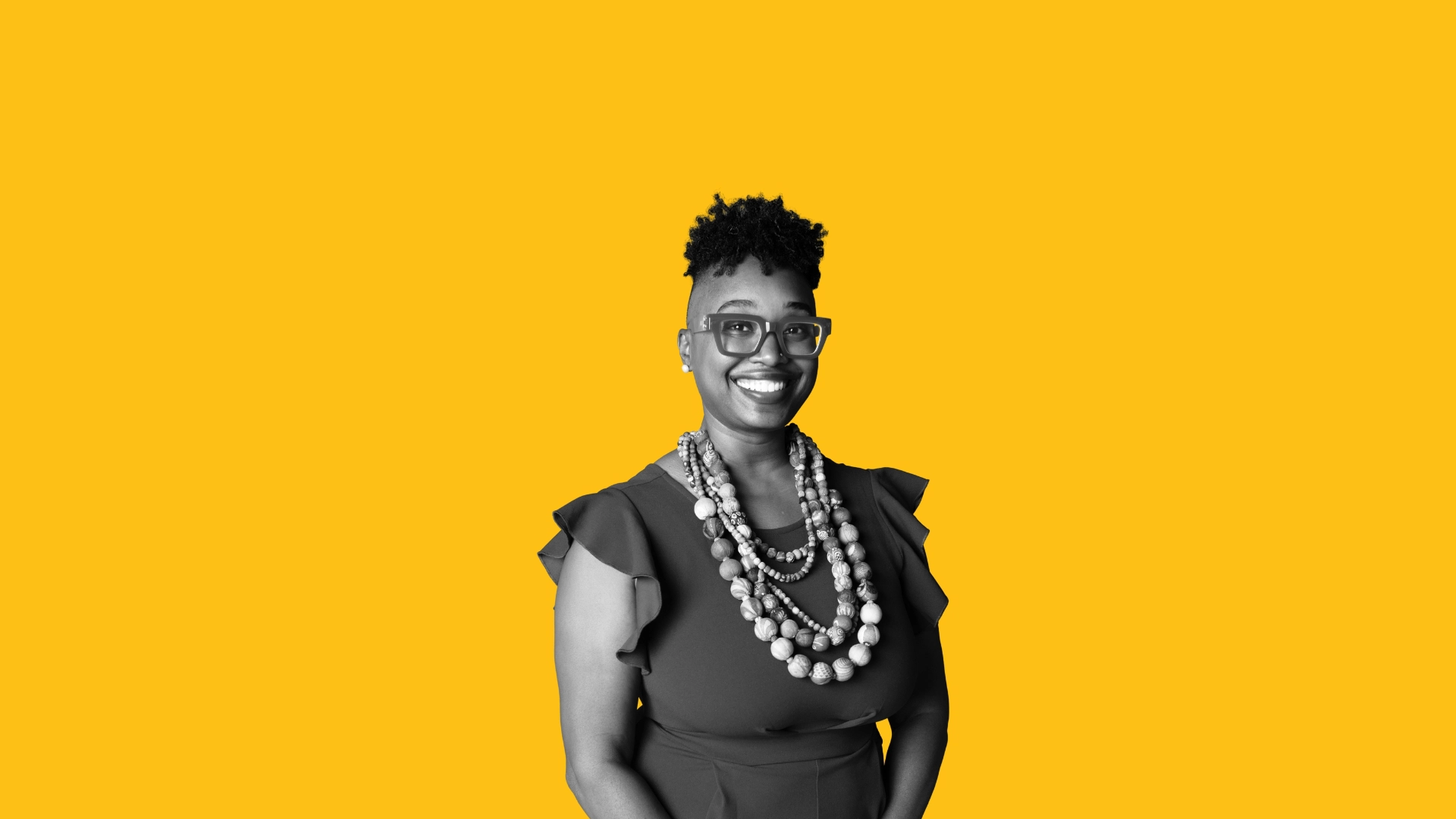
This past August, in recognition of Black Philanthropy Month and the global call to honor the theme of Sankofa — a West African principle that urges us to “go back and get it” — we proudly welcomed the next class of Gamechangers: Black philanthropic leaders and bold collaborators shaping the future through innovation, generosity, and trust.
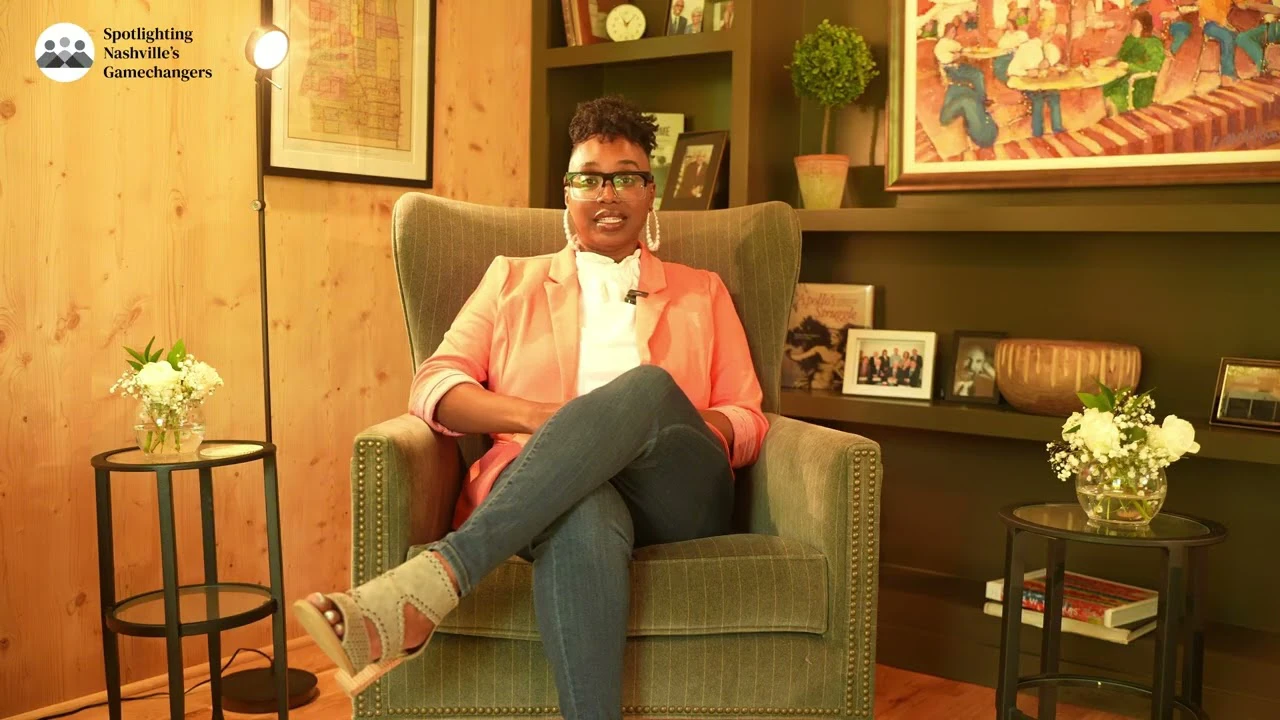 play_arrow
As Vice President for Communications and Partnerships at The Healing Trust, Jennifer leads strategic communications and public affairs while guiding the organization’s equity and community investment work. She oversees key initiatives, including the 37208 Participatory Grantmaking program, Thriving Communities grants, and the Resilient Families Violence Prevention and statewide grant programs. Beyond her professional leadership, Jennifer is a devoted reader and textile artist who finds creativity and reflection through fiction and needlework.
Tell us your story. (Your journey, your work, or what brought you to where you are today.)
My path to The Healing Trust began with burnout from my former work as a crisis counselor. After years of helping people through their hardest moments, I knew I needed to care for myself while still contributing to the community.
When a position opened at The Healing Trust, then called the Baptist Healing Trust, I recognized it as the right next step. My previous organization had received a grant from the Trust, so I already knew its mission to support healing and resilience. I started in an administrative role that gave me space to recover, learn, and grow. Over time, that experience evolved into a deep commitment to the Trust’s mission and the work I do today.
Name a person, tradition, or community value from your past that guides how you give or serve today.
When I was a little girl, my mom was raising me on her own, and we didn’t have much. One Christmas, I learned I was one of the kids on the Salvation Army Angel Tree. We received big bags filled with toys and clothes, and I remember asking my mom where they came from. She said she didn’t know, but she was sure that someone in the community cared enough to help. That experience stuck with me. It taught me what generosity feels like and shaped how I want to show up for others today.
Sankofa teaches us to look back so we can move forward. If you could speak to your younger self or to future generations of Black gamechangers, what lesson or moment from your past would you share?
I would tell my younger self and future Black Gamechangers not to underestimate the value of your presence. It’s easy to feel like an imposter, especially when you’re young and assume everyone else has things figured out. The truth is, no one does.
Be confident in what you bring. Even if others can offer something similar, the way you do it — through your energy, your spirit, and your perspective — is uniquely yours. Your presence has power. Show up, be present, and know that you belong.
The parable of the talents teaches us to grow and share what we’ve been given. How have you used your gifts — whether time, talent, or resources — to make an impact in your community?
I think I’ve shown up in all the ways through time, talent, and treasure. I try to take my own advice and think about what my presence means in the spaces I’m invited into and what it represents.
I teach my children that philanthropy isn’t only about money, even though giving financially is important. Small amounts can make a big difference, but so can showing up, staying connected, and being part of the community. I believe many of our biggest challenges could be solved with the right intentions, the right will, and a commitment to sharing what we each have to give.
I remind myself and others that what you bring to a space is unique to you. Your energy, your spirit, the way you show up — all of it matters. So I use my time and my voice to be present, to listen, and to contribute in ways that reflect who I am. Sometimes the most meaningful impact starts simply by showing up and being there.
How have you seen Black generosity and community investment show up in ways that might not always be recognized as philanthropy?
When I think about generosity, I think about my time in church as a teenager. There weren’t many formal Black-led nonprofits back then, but so much giving and care were happening in other ways. People showed up for each other, sharing what they had, offering help, and building community without calling it philanthropy. That kind of giving doesn’t always fit into a formal structure, but it still matters. In many ways, it matters even more.
How do you define “being a Gamechanger” in collaborative efforts or philanthropy?
To me, being a Gamechanger means looking at the system you’re part of and leaving it better than you found it. Throughout my career, I’ve tried to approach every space with curiosity, asking why things are done a certain way and whether they could be done differently. Sometimes simply asking a question can spark a new idea or open the door to change. Being a Gamechanger isn’t about having all the answers; it’s about being willing to learn, to challenge, and to make things better for those who come next.
What wisdom or encouragement would you share with someone in Nashville who’s just beginning their journey here locally as a philanthropist or community leader?
Your ideas are good, try them out. But also seek wise counsel. Not necessarily from the people in the spotlight, but from the quiet leaders in the background who’ve seen a lot, who know what really works and what doesn’t. Surround yourself with people who will be honest with you and who will also encourage you. You can do this.
What are you curious about, excited to see unfold, and/or looking forward to initiating over the next year?
I’m really curious about how philanthropy will meet the moment we’re in. There’s so much opportunity to show up differently, to take bold action and speak boldly, because we don’t always carry the same risks our nonprofit partners do. I would encourage new philanthropists and community leaders to lean into that freedom. Use it to push for change, to tell truer stories, and to help define what role we’ll play in this chapter of Nashville’s story. Will we be the partner? The hero? The bystander? We get to decide.
Black Philanthropy Month: Sankofa Now!
The past holds the key to our future. As we navigate growing challenges, we must draw strength from those who came before us. For this year’s Black Philanthropy Month recognition, we must:
- Remember our philanthropic roots, built on collective care and community-driven investment.
- Reclaim our power to shape the future, ensuring Black-led change is not just recognized but sustained.
- Rise by reinvesting in our people, our movements, and our solutions, because the future of Black philanthropy (and all humanity) depends on what we do today.
A thriving Black community benefits everyone. The fight for equity, opportunity, and justice strengthens our collective future, creating a world where all can prosper. Black philanthropy has always been a catalyst for change. In a time when progress is at risk, we need all hands on deck.